Ülemiste Test City: where new ideas meet everyday city life
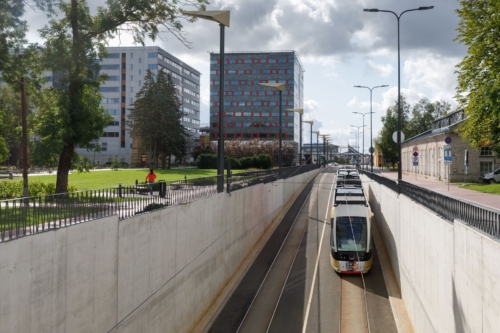
A street can look perfectly functional from a car window and feel very different on foot, on a bicycle or in a wheelchair. Understanding those differences was the starting point for Ülemiste City’s recently completed Test City project with StreetVision, and a practical example of what the Test City programme makes possible.
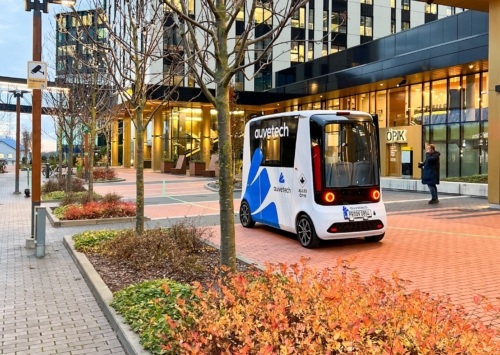
Across the campus, technology companies and researchers are exploring how new solutions can improve everyday life. Projects range from AI-assisted maintenance and synthetic voice enabled audio tours to smarter infrastructure, with further work in preparation on mobility measurement, autonomous driving services and patrol robots.
For the community, these projects offer opportunities to help shape a better place to work, study and spend time. For innovators, they provide something difficult to recreate in a laboratory: a functioning urban environment, with real users, operational demands and useful feedback.
A closer look at our streets
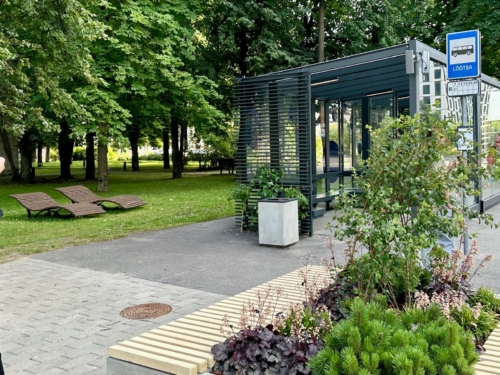
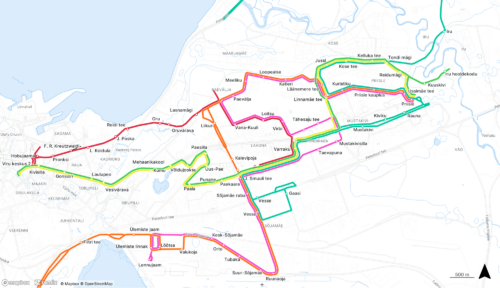
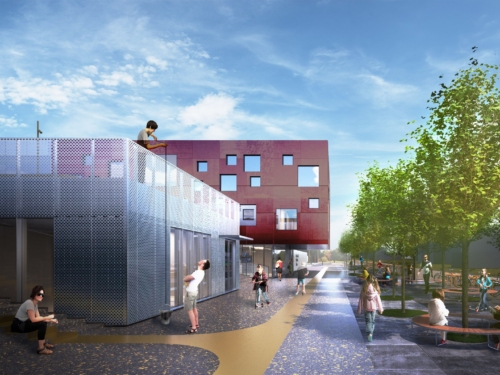
This summer, a startup from UK, StreetVision, captured nearly 1,600 street-level images across 8 kilometres and 30 route sections in Ülemiste City. Collecting the images took just an hour and a half. The subsequent AI-assisted analysis, combined with expert review, assessed safety, accessibility, comfort and place quality against Estonian and Tallinn street standards.
The result is a detailed picture of the district’s walking, wheeling and cycling network: where it falls short, where it performs well and how individual sections connect.
Ülemiste City’s role was both to provide the real-world setting and to bring a practical planning need to the project. As the district’s developer and manager, the team needs to understand where improvements would make the greatest difference. StreetVision brought the technology and urban analysis expertise to help answer that question.
The completed assessment provides evidence for prioritising future investments and exploring potential improvements before moving into design. The next step is to put those insights to work in the district’s continuing development.
“The value is in connecting a detailed view of individual streets with an understanding of the whole network,” says Silver Kelk, Head of Development, Mainor. “For us, this creates a stronger basis for deciding what to improve first. For the technology company, it is an opportunity to demonstrate how its solution supports real planning decisions.”
Innovation in everyday services
StreetVision is one example of a broader programme reaching into the daily operation of the district.
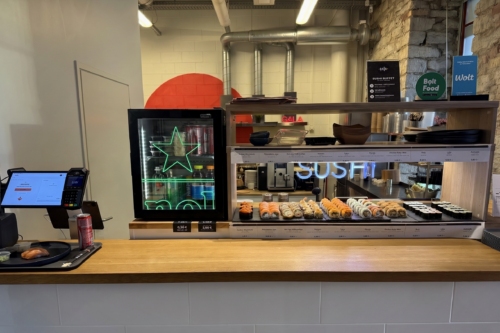
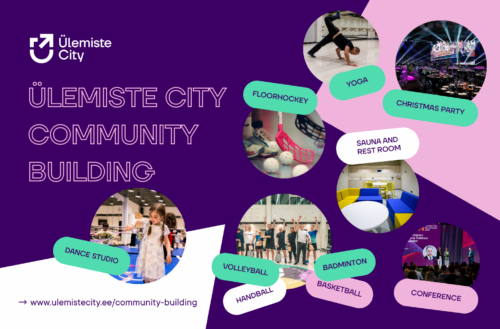
Other recent Test City projects include Hausing’s AI assistant for maintenance workflows, OmniAudio’s tour guide for Ülemiste City’s history tour, Europark’s Friida for convenient parking fees, work with C2 SmartLight with Hansab, and the Ülemiste City community application. Together, they reflect the variety of opportunities within a business district, from maintaining buildings and managing infrastructure to helping people discover their surroundings and become better integrated in the community.
These activities build on experience with solutions such as R8 Technologies and KONE’s work on building energy efficiency, Fyma’s mobility analytics and autonomous delivery trials.
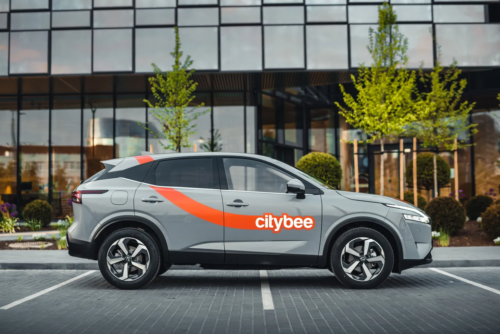
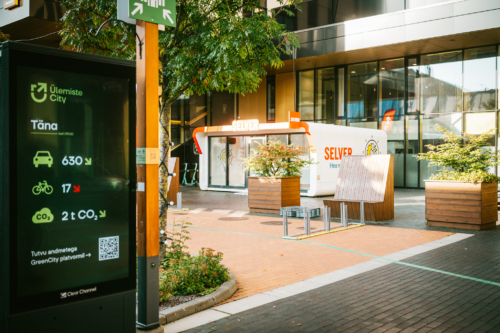
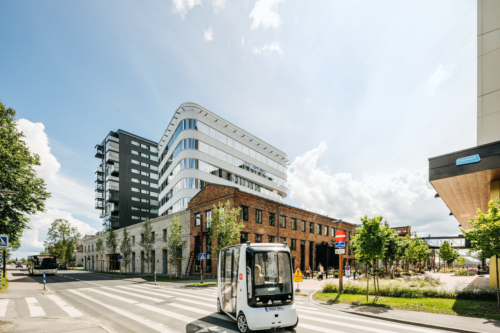
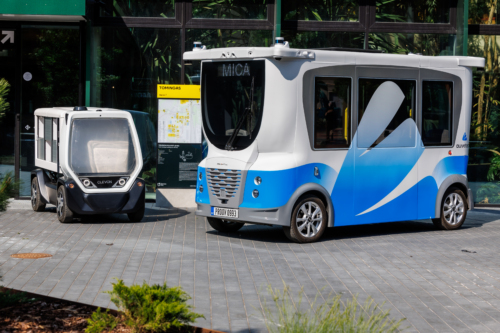
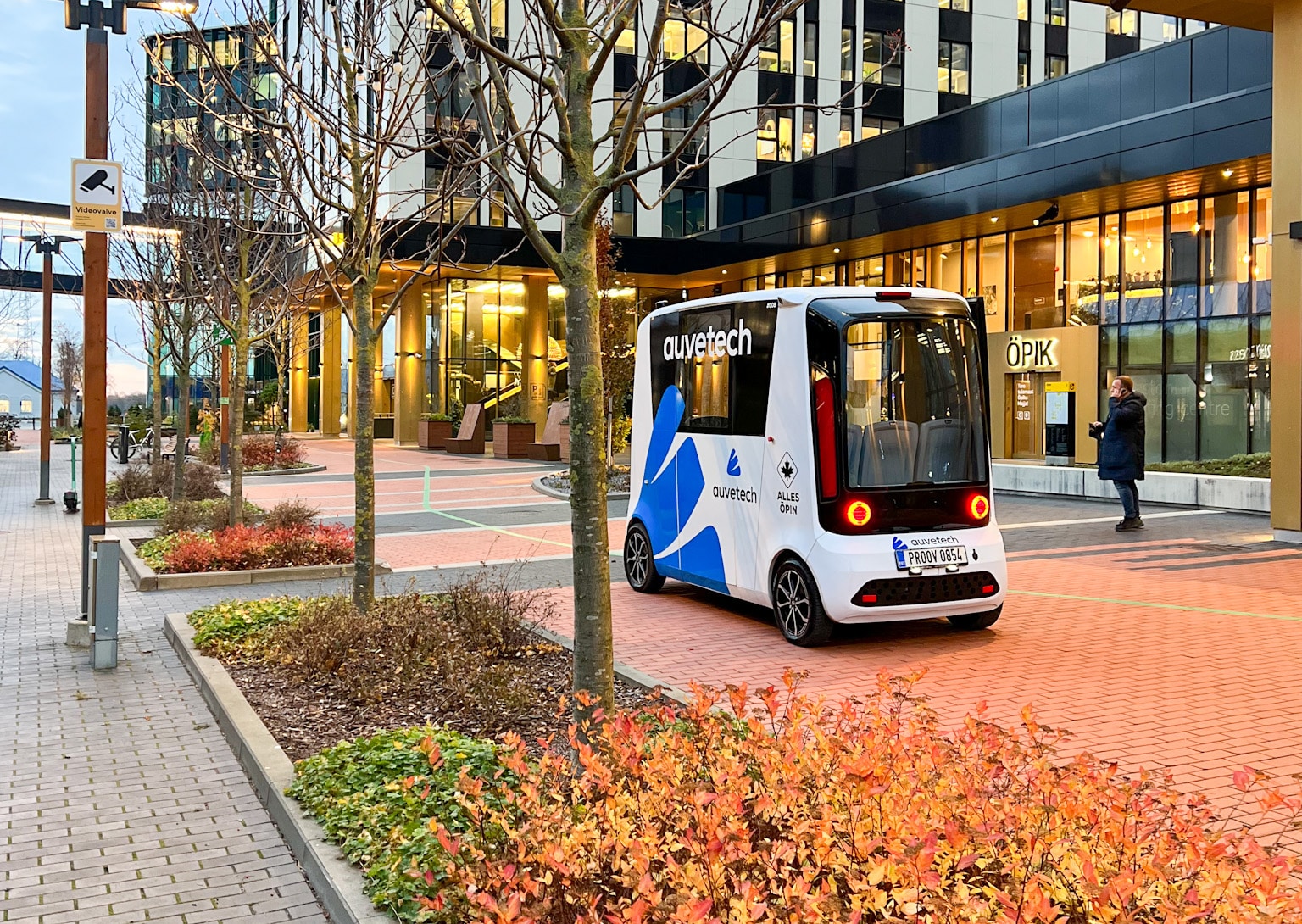
There is active interest in the future testing possibilities. Projects in preparation include new approaches to measuring mobility, an autonomous driving service, smart street lighting and autonomous patrol robots. Each project brings its own questions about performance, integration and how people respond.
For the community, participation and feedback are valuable parts of the process. A service may work technically, but testing helps establish whether it is useful, understandable and suited to everyday life.
An increasingly international testing ground
Around 75% of current Test City applicants come from outside Estonia, reflecting the programme’s growing international reach.
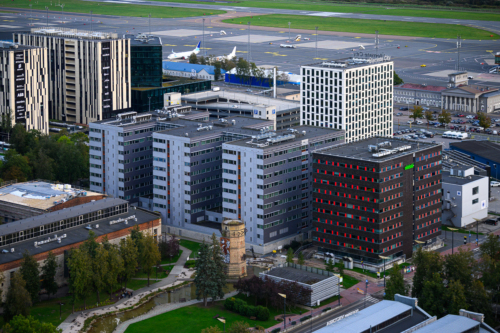
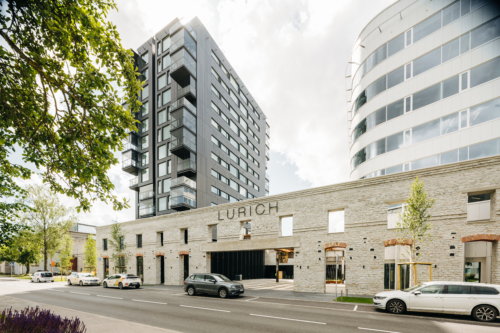
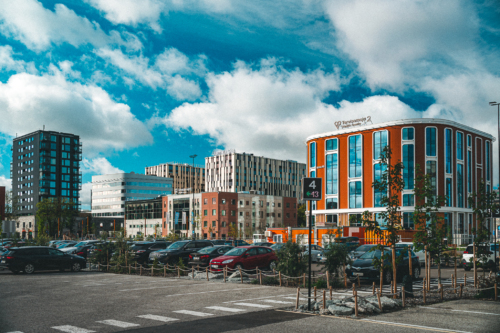
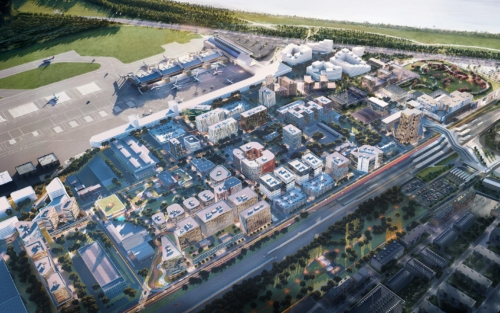
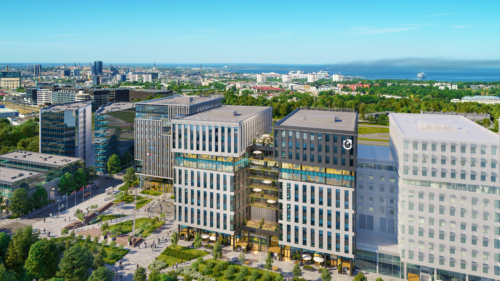
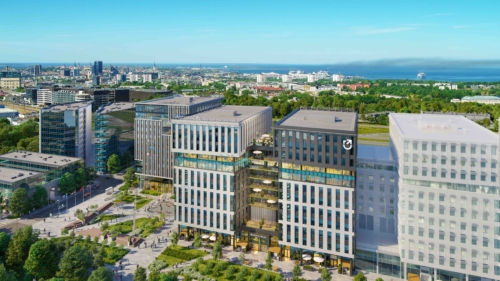
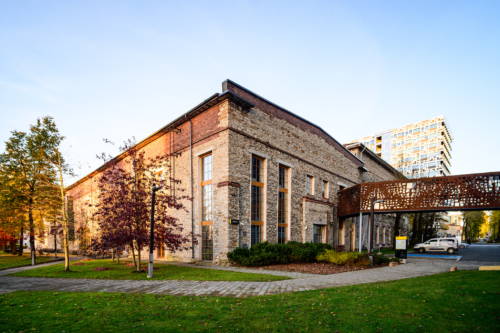
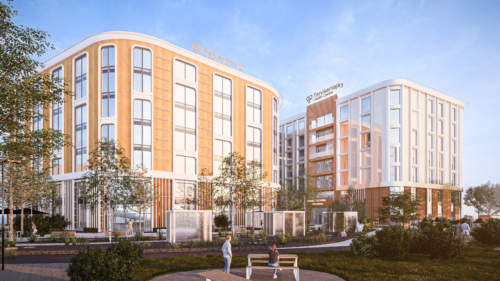
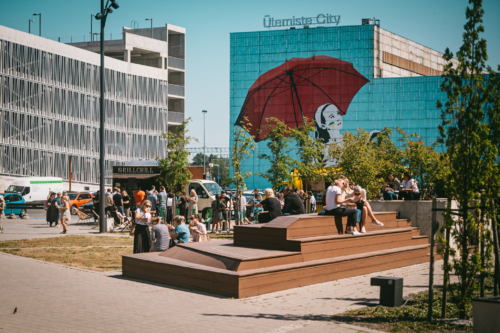
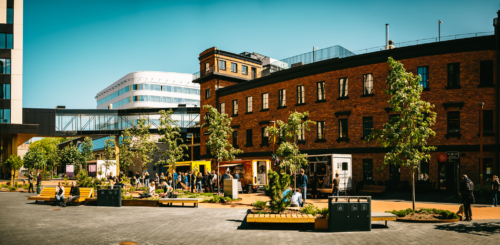
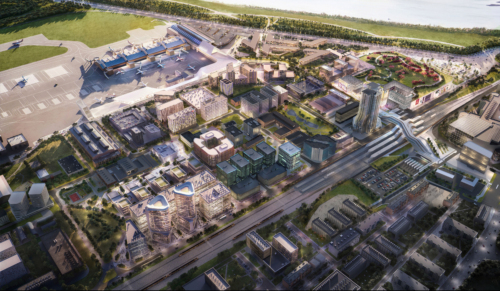
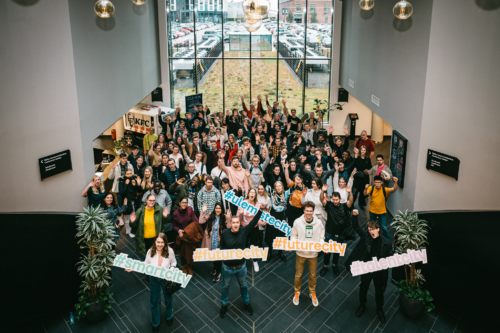
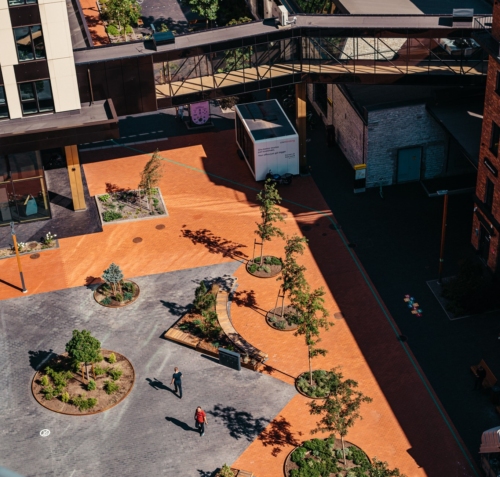
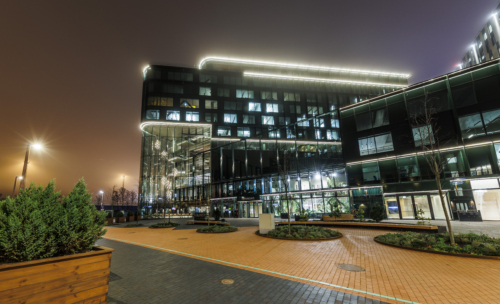
Ülemiste City offers a distinctive combination: a 30-hectare, privately managed district, more than 400 companies and a community of 18,000 people. Buildings, streets, parking areas, public spaces and digital infrastructure can all become part of a test, with the scope and support agreed for each project.
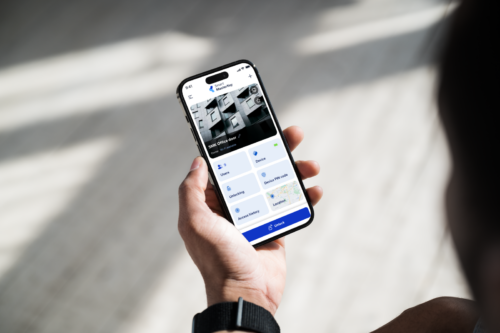
Depending on the need, that support can include technical expertise, data analysis, connections to research partners, help identifying funding opportunities and introductions to potential customers or collaborators.
International participation also creates opportunities locally. Companies, students and researchers in Estonia can work with visiting technology teams, while the lessons from projects here can inform development in other cities and districts.
A platform for research and student involvement
Test City is also developing as a platform for urban research, connecting practical challenges with academic expertise.
Ülemiste City collaborates with more than 20 universities and higher education institutions. Opportunities range from student coursework and theses to applied research and larger Estonian and international projects.
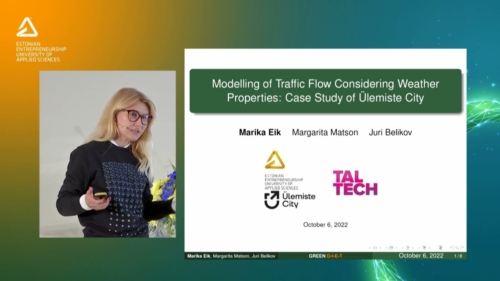
Existing collaborations include work with TalTech on building lifecycle environmental impacts and with the University of Tartu on the district’s 3×3 health model, which addresses physical, mental and social wellbeing. The forthcoming INSPIRE project will bring international researchers into the district through Horizon Europe staff exchanges.
“Every good pilot also contains a research question,” says Kelk. “A company brings a challenge, the district brings the environment and users, and a university brings the methods to understand what actually changes. Bringing these together helps us build knowledge that others can use.”
Students can contribute through user research, data analysis, design and practical problem-solving. Researchers gain access to questions grounded in everyday urban life. Companies gain a clearer understanding of their results.
More ways to get involved
The recently renewed Test City webpage brings this broader scope together across seven focus areas: Health & Wellbeing; Sustainability & Circularity; Smart Mobility & Infrastructure; Smart Building & Proptech; Urban Data & AI; Energy & Urban Resilience; and Robotics & Autonomous Systems.
An Open Call welcomes ideas that cross these boundaries or address other challenges facing future cities.
Technology companies are invited to propose solutions ready for real-world testing. Universities and research teams can bring a research question, a student project or a proposal for joint funding. Cities and public-sector organisations can explore collaboration around shared urban challenges.
“Come to us with a clear question: what do you need to learn, demonstrate or improve?” says Kelk. “Whether you are developing a technology, planning a research project or tackling a city challenge, we can explore what a meaningful test would look like—and who should be involved.”
Explore the opportunities and submit your idea at Ülemiste Test City.