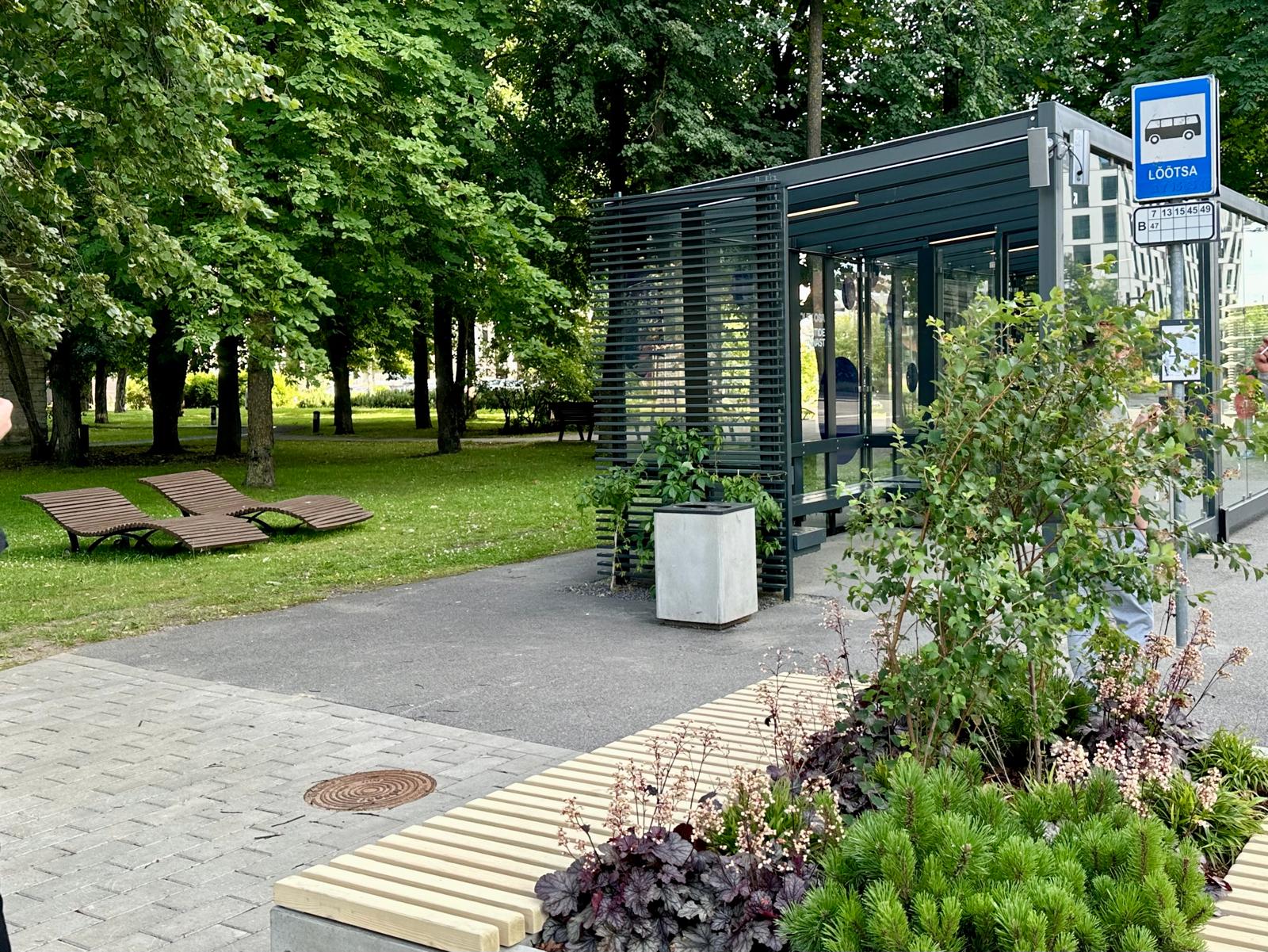
Student explored how to encourage people to prefer public transport
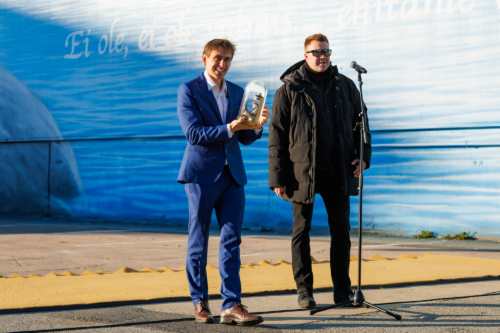
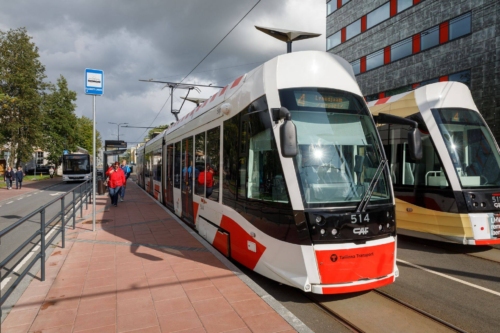
Why is a car preferred over public transport? According to Kumaraaditya Rao, a master’s student at the Estonian Academy of Arts (EKA), the problem is that people do not like waiting. A solution that makes waiting more enjoyable and encourages people to use public transport also earned him a scholarship from the Ülo Pärnits Education Fund.
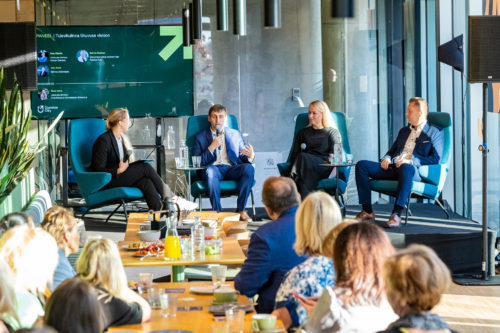
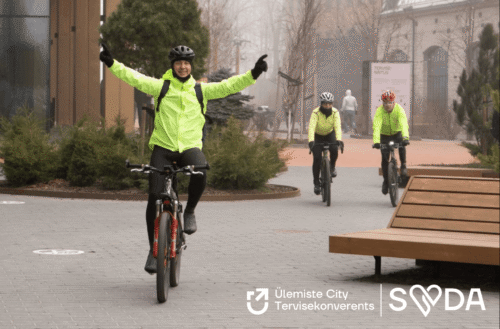
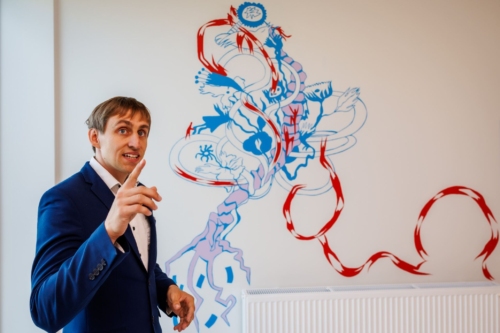
The thing that bothers people most about using public transport is the waiting involved, claims EKA master’s student Kumaraaditya Rao. He studied how to turn the minutes spent at a bus or tram stop from tedious waiting time into a useful moment of rest. The research was based on surveys, interviews, observations, and a co-creation workshop with employees of Ülemiste City and residents of Tallinn. The results showed that people value personal space the most while waiting and perceive it more as time for themselves than as an opportunity to socialize.
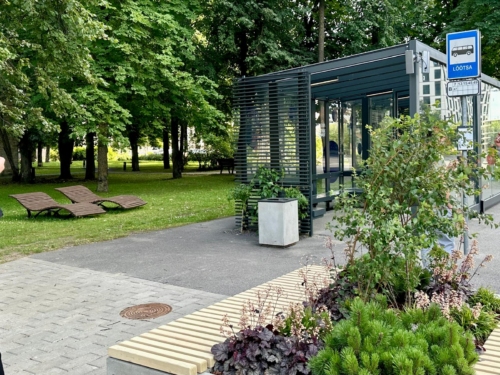
Based on this, Rao’s research proposes several solutions that could be implemented at public transport stops and that could have a positive impact on public transport usage. For example, waiting would become more pleasant if stops offered as much protection as possible from both weather conditions and traffic. He also recommends replacing the single bench at a stop with chairs, as this would provide the privacy that people waiting desire but currently lack.
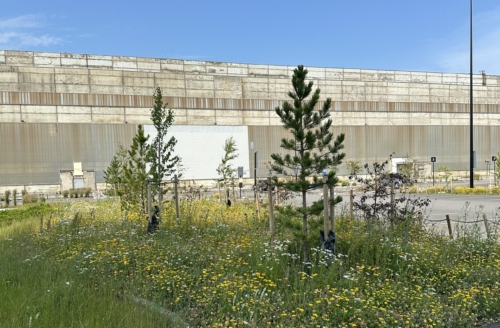
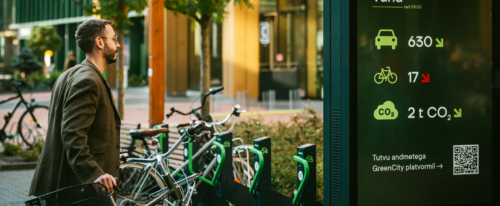
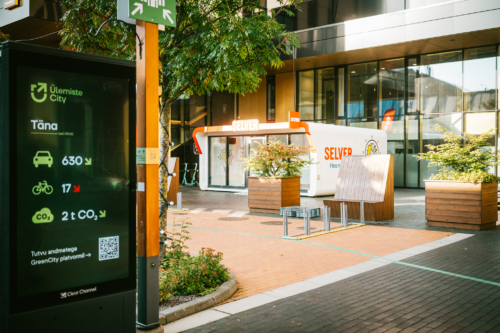
Waiting could also be made more pleasant by birdsong played through speakers and evergreen vegetation. When properly placed, the latter would also provide the desired privacy and protection from the weather. Public transport use could also be positively affected if all stops had information displays that were easily visible to everyone from every angle. In addition to bus arrival information, these screens could also display interactive wellbeing content. Rao further recommends creating a walking path around the stop, with information on how many steps a person takes by walking the route and how many calories that equates to. Instead of concrete and metal, he recommends prioritizing wood and glass in the construction of public transport shelters.
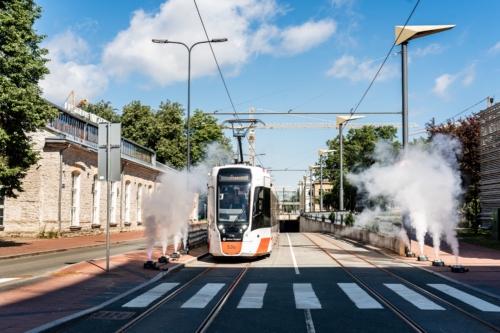
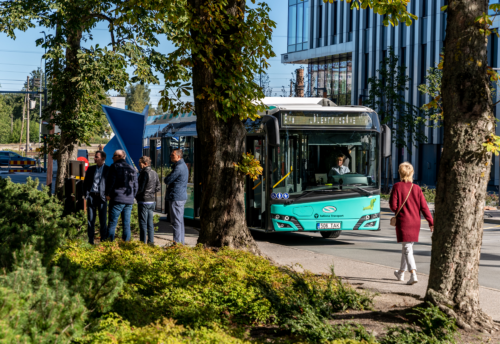
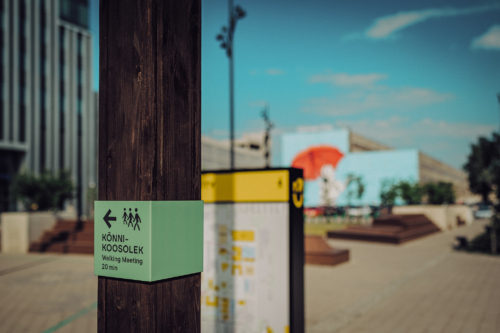
According to Sten Pärnits, Chairman of the Management Board of Mainor Ülemiste, the developer of Ülemiste City, it is important that travelling by public transport is as convenient as possible for people. “Therefore, last year we installed three new bus shelters that are more comfortable and weather-resistant than the previous ones, and which also provide real-time bus arrival information. They have been well received by campus employees,” he said. Some of Rao’s ideas, including speakers, landscaping, and glass elements, are already in use. There are also plans to bring more similar and more comfortable bus shelters to the campus.
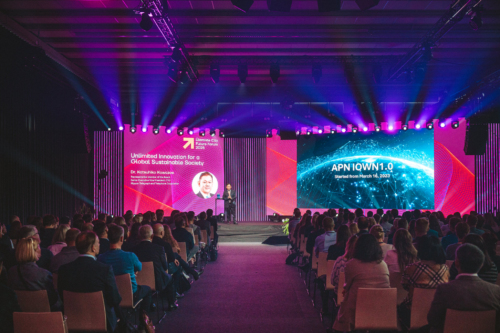
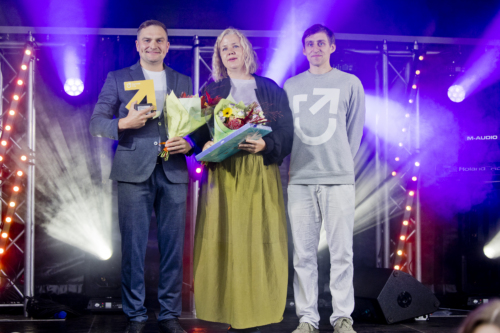
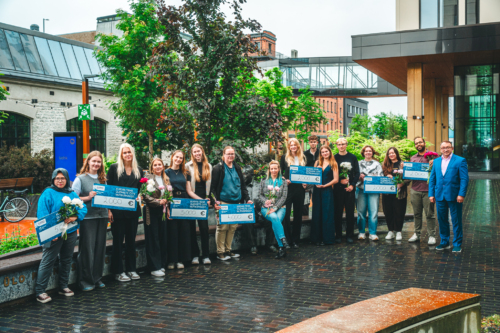
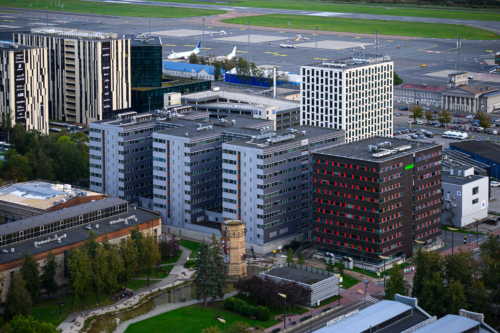
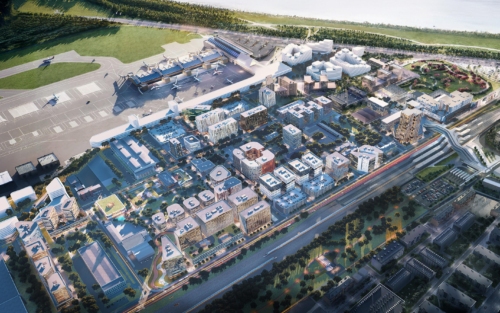
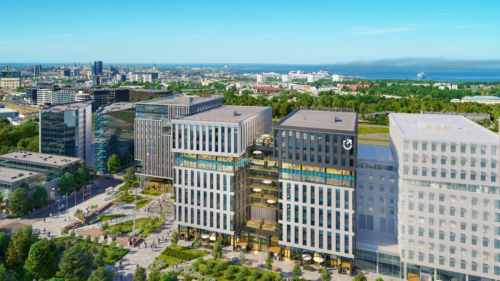
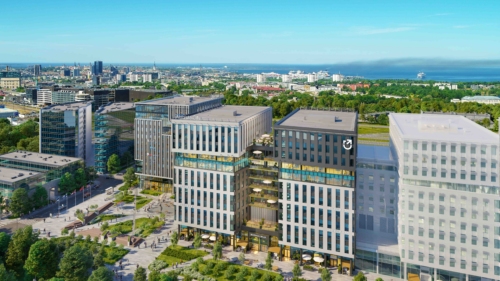
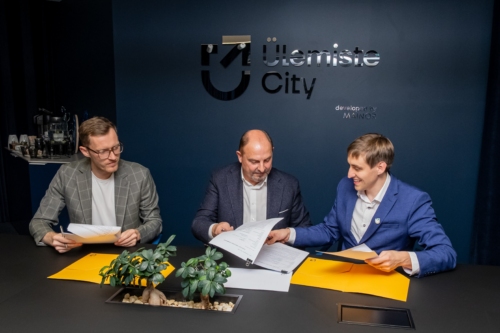
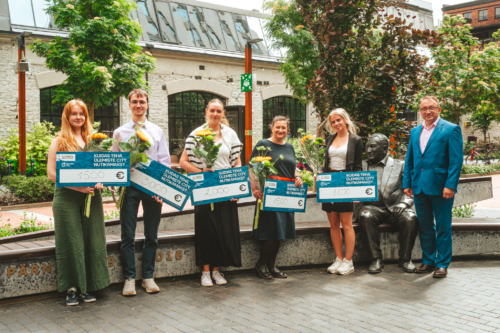
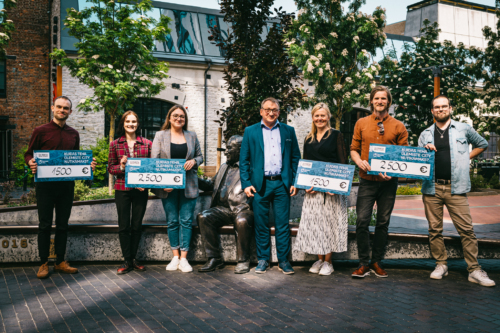
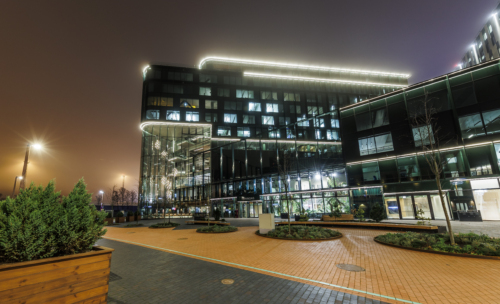
The recipients of the Ülo Pärnits Education Fund scholarships were announced for the ninth time this year. The scholarship, established in honour of Ülemiste City founder Ülo Pärnits, aims to promote lifelong and practical learning and support research related to the development of Ülemiste City as a city of the future. The scholarship fund amounts to up to €22,000 each year and is financed by Mainor AS, Mainor Ülemiste AS, and KristoSten OÜ. This year, nine scholarships were awarded on topics ranging from smart cities and mobility to art projects. Mainor Ülemiste AS is a subsidiary of Mainor AS whose primary activity is the development of Ülemiste City, the largest business campus in the Baltics. Across the campus’s 30 hectares, 170,000 square metres of rentable office space have been developed. Ülemiste City is home to nearly 400 companies and provides a work, study, and living environment for 18,000 people, while the total turnover of the campus amounts to €3 billion.