Ülemiste City: Freedom of Mobility Supports People’s Health
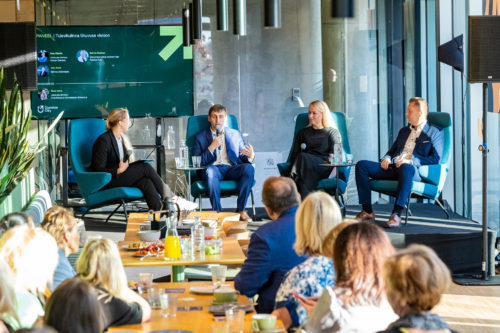
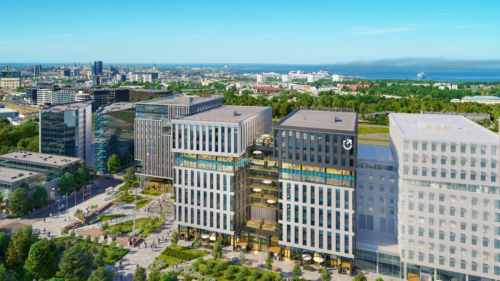
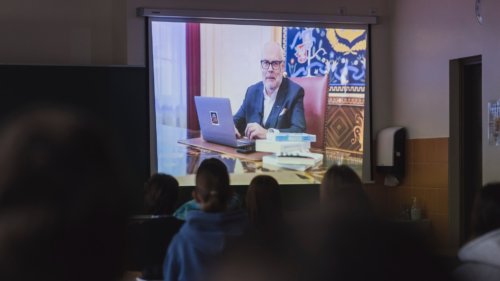
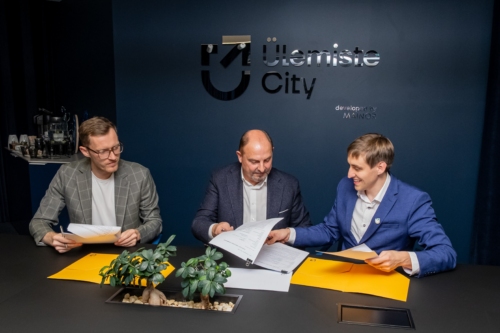
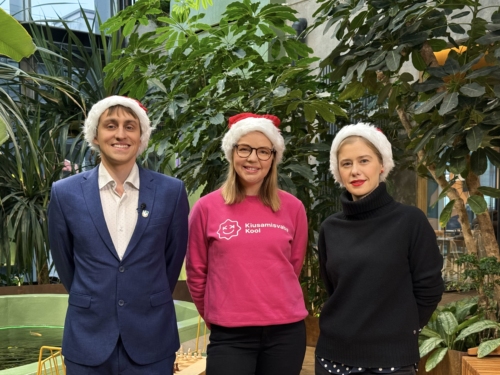
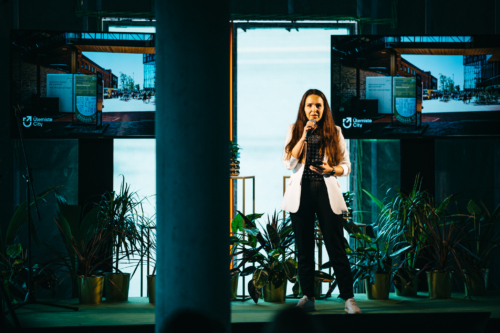
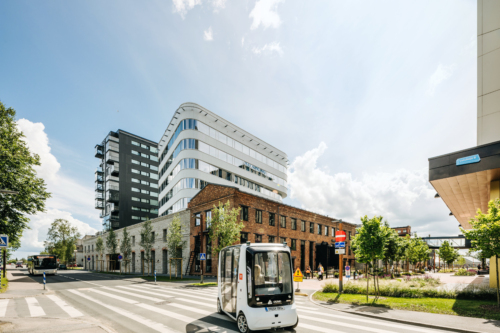
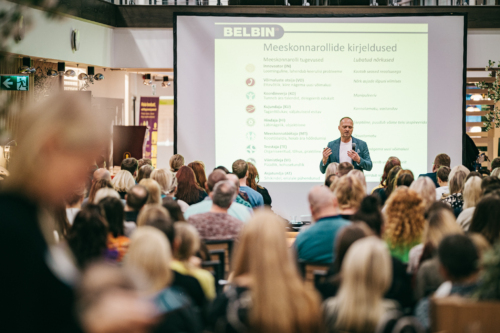
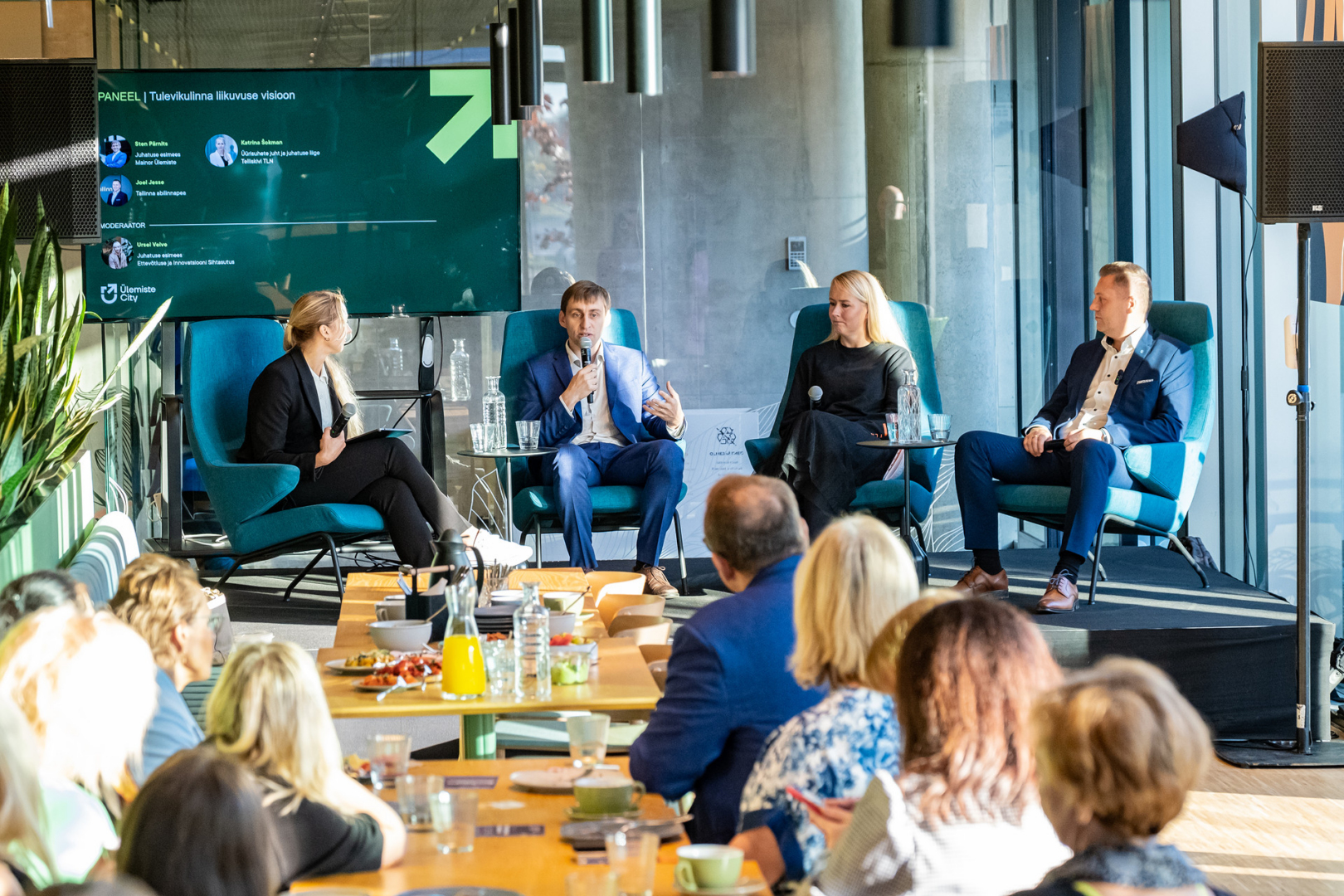
Developing mobility infrastructure requires a clear, data-driven understanding of how to make everyone feel comfortable in urban space, regardless of whether they prefer to travel on foot, by bicycle, public transport, or car. Freedom of mobility should be achieved through the successful combination of different modes of transport, as this also directly affects people’s health, concluded Tallinn Deputy Mayor Joel Jesse, Chairman of the Management Board of Mainor Ülemiste Sten Pärnits, Member of the Management Board of Telliskivi TLN Katrina Šokman, and Chairman of the Management Board of the Estonian Business and Innovation Agency (EIS) Ursel Velve at the Future City mobility vision breakfast held in Ülemiste City.
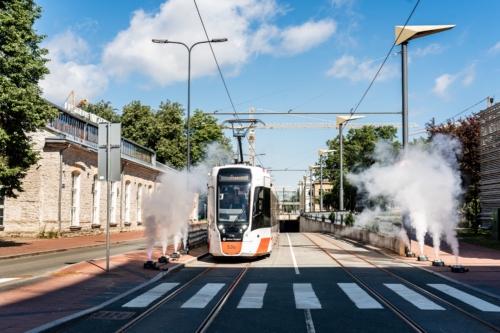
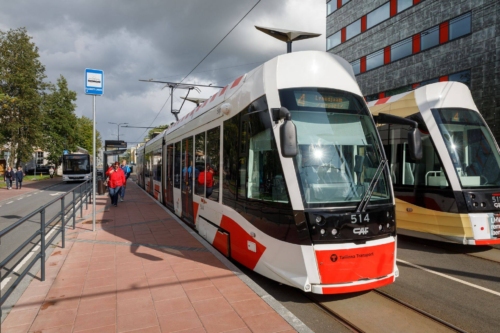
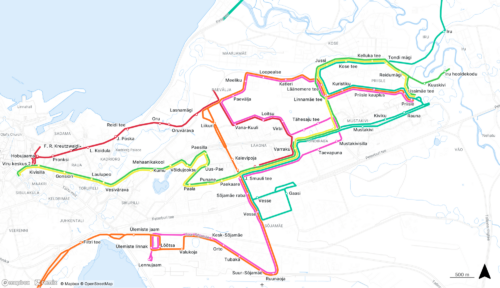
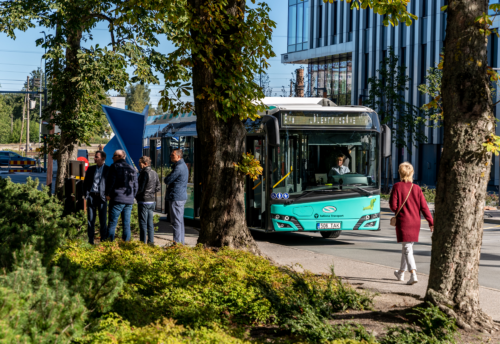
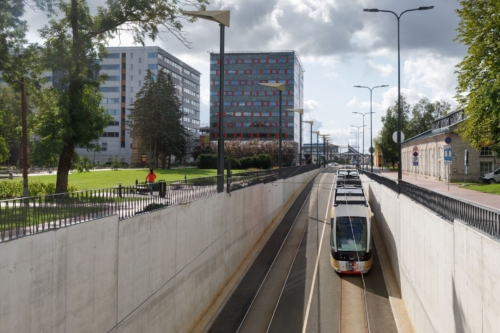
“Over the past few years, Ülemiste City has clearly seen how public transport changes are reflected in data. The interruption of the tram connection immediately increased the number of car users, and the same trend occurred among those travelling from the Mustamäe direction when bus number 64 was removed,” said Pärnits.
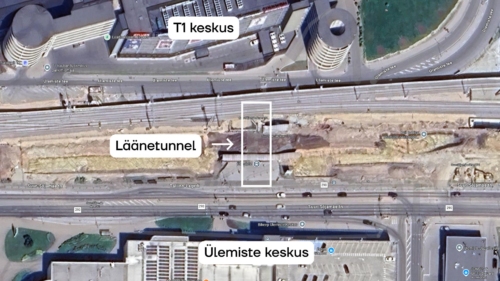
According to Deputy Mayor Joel Jesse, data ranging from validation data to the results of traffic counts for different modes of transport also help the city make better planning decisions. “For example, validation data can reveal travel patterns involving transfers and whether it might make sense to introduce a direct route or combine routes.” The Deputy Mayor also emphasised the need to make safer those areas where pedestrian and cyclist routes are most dangerous, such as the tunnel under the Tartu Road viaduct or the pedestrian and cycling tunnels on Endla Street.
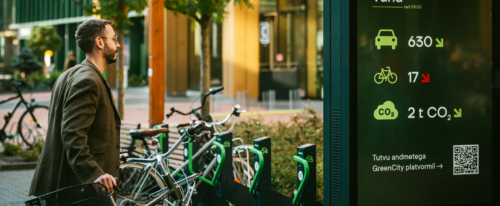
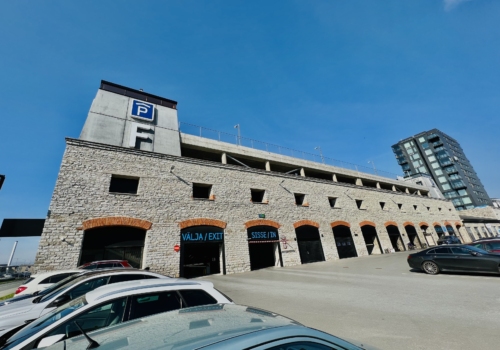
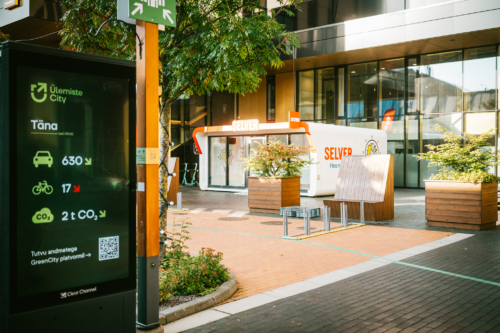
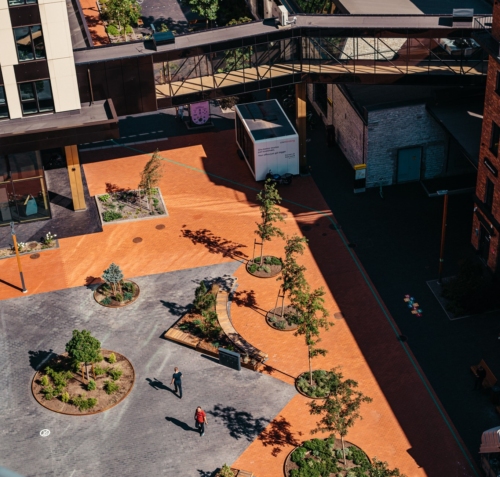
Mobility data are also important for developers. Both Ülemiste City and Telliskivi TLN collect information on where people come from and which means of transport they use. This information is used to develop the campuses. For example, Ülemiste City uses mobility data from Fyma and Telia Crowd Insights to determine, among other things, from which districts public transport users face the greatest challenges, whether the campus needs additional car and bicycle parking spaces, or whether greater emphasis should instead be placed on expanding green areas. According to Pärnits, the most important mobility data are shared with the City of Tallinn to enable improvements in the accessibility of the area. The information is also shared with tenants participating in the GreenCity service.
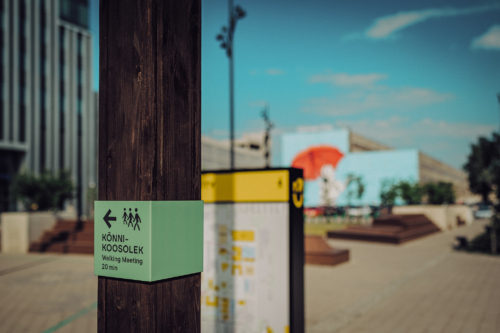
Fyma’s application is also helpful in Telliskivi. “We use the dataset to draw conclusions and make decisions. For example, to make the campus wayfinding systems more convenient for people. At the same time, mobility must be viewed as a complete journey, which means that campuses and city authorities must work together. What matters is not only that I can come by bicycle, but that the journey is pleasant for me,” added Katrina Šokman, Member of the Management Board of Telliskivi TLN.
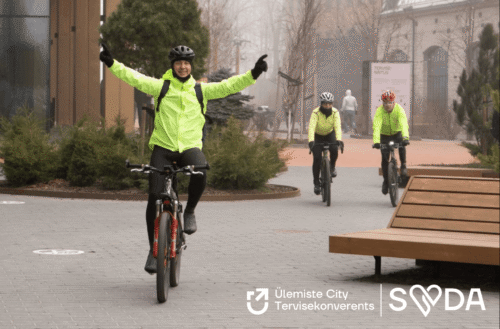
The choice of transport mode directly affects people’s health, and both the city and developers play a major role in determining how comfortable it is for people to move around urban space. “Leaders play an important role in shaping employees’ health behaviour and mobility habits. The Ülemiste City Bike2Work challenge is a very practical tool for this, helping to make movement a natural part of everyday workplace culture. EIS is a great example of how consistent leadership produces results. In two years, we have risen from the second ten to among the top three in the Bike2Work challenge,” added Ursel Velve, Chairman of the Management Board of the Estonian Business and Innovation Agency (EIS).
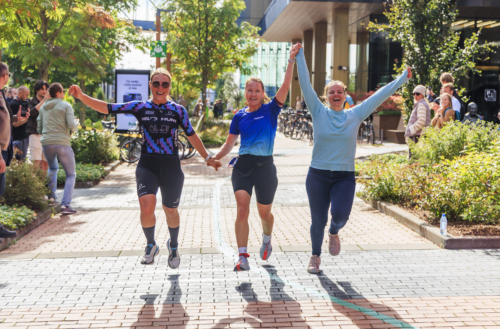
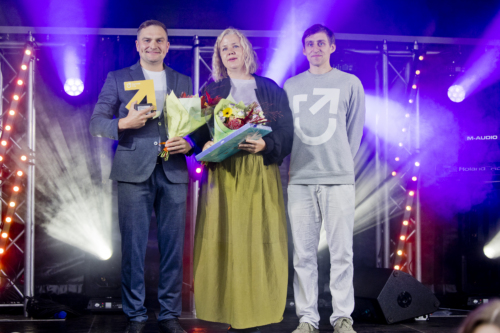
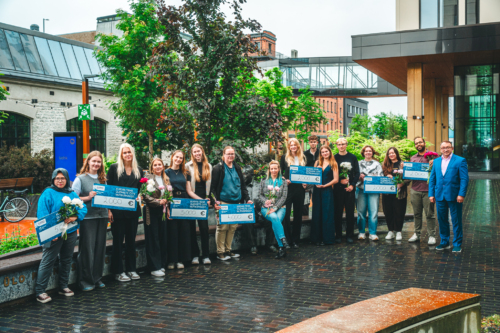
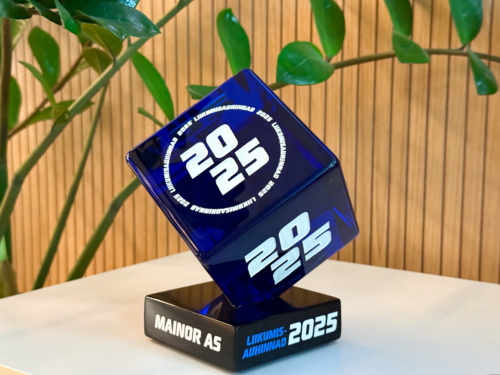
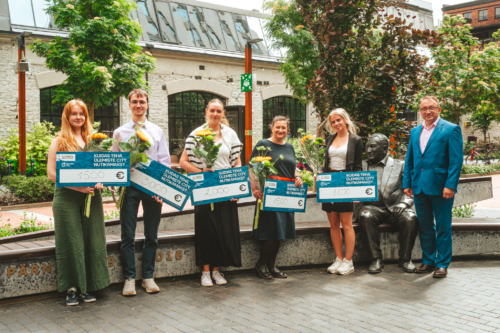
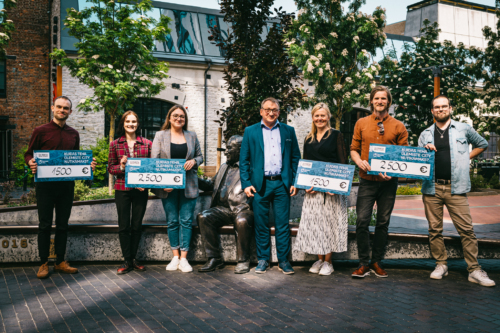
The Bike2Work challenge has been organised in Ülemiste City since 2022. This year, the Telliskivi TLN business campus also joined. The winner of the Ülemiste City challenge received an electric bicycle from Sportland.
According to Pärnits, Ülemiste City’s health model identifies three responsible parties: the employee, the company, and the developer. “It is a beautiful trinity, and everyone has their role. The company and the developer must create the opportunities, and then employees will naturally begin to move in healthier ways.”