Mainor AS brings a new researcher on board to advance smart city studies at Ülemiste City
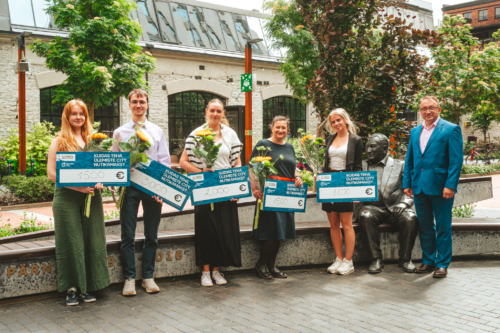
Mainor AS has received a grant of €84,087.36 from the SekMo programme – a sectoral mobility support measure administered by the State Shared Service Centre. The funding enables the company to engage a new researcher and strengthen research and development activities related to smart city development in Ülemiste City.
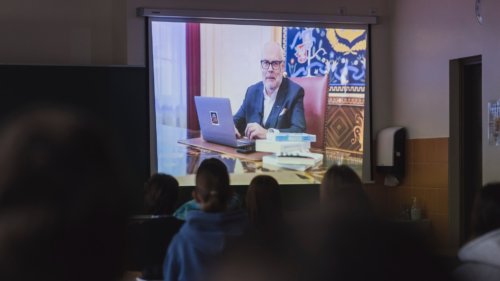
Researcher Najmeh Mozaffaree Pour has joined Mainor AS and will carry out her work in collaboration with Estonian Entrepreneurship University of Applied Sciences (EUAS), focusing on smart city solutions. Her research is part of the project “Developing solutions and indicators for inclusive and sustainable urban space,” running from 1 March 2026 to 28 February 2028.
The project aims to create a data-driven, reusable analytical framework for Ülemiste City to assess the accessibility of everyday services within short travel times. This analysis will provide deeper insight into how to support employee wellbeing, seamless mobility, and the sustainable development of the campus. It will also strengthen Ülemiste City’s position as a user-centric and well-planned innovation hub.
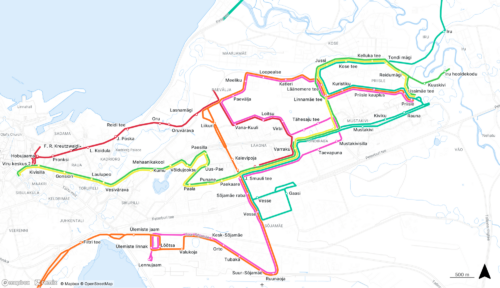
As part of the project, a digital map will be developed to illustrate how accessible everyday services are across the campus and its surrounding area – including food and dining, retail, health and wellbeing services, micromobility, and green spaces. The analysis follows the principles of the 15-minute city concept and considers not only the location of services, but also their opening hours and usage patterns. This approach supports smarter infrastructure planning, encourages active mobility, and helps shape a more accessible and efficient business district.
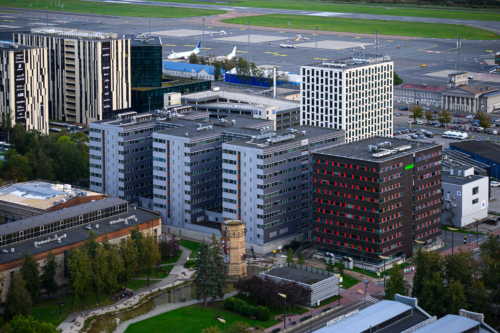
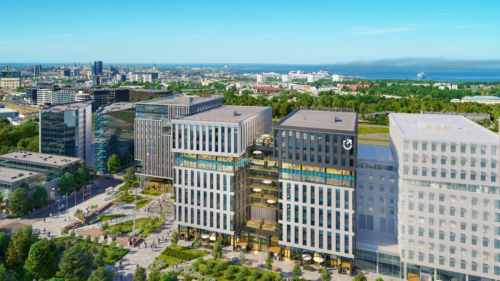
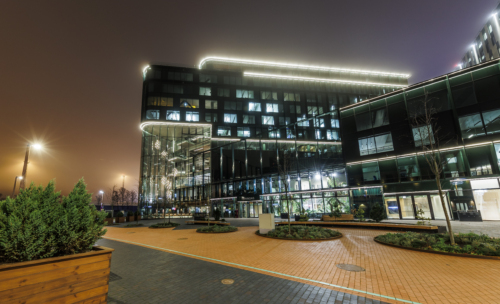
Ülemiste City is the largest employment hub in the Baltics, home to nearly 18,000 employees across more than 400 companies. This makes data-driven urban planning essential for supporting the campus’s holistic development and ensuring a user-friendly environment for both employees and visitors.
As a result of the project, a comprehensive toolkit will be developed to enable more precise planning of service locations, development projects, and mobility networks. This includes creating a transparent and reusable GIS workflow to map multimodal accessibility to everyday services. In addition, a detailed “Daily Needs Heatmap” for Ülemiste City will be produced, along with an analysis of how accessibility varies throughout the day and how it relates to the campus’s overall vitality.
The project will also deliver decision-support maps, data layers, indicators, and guidelines, as well as a methodology that can be applied in other similar urban environments.
The project is co-funded by the European Union through the intersectoral mobility (SekMo) measure.