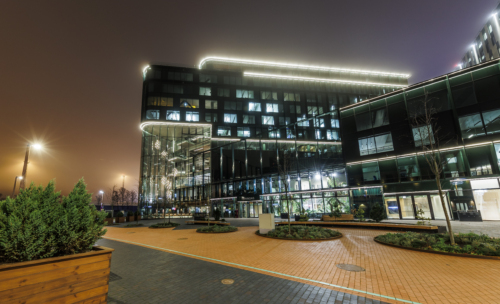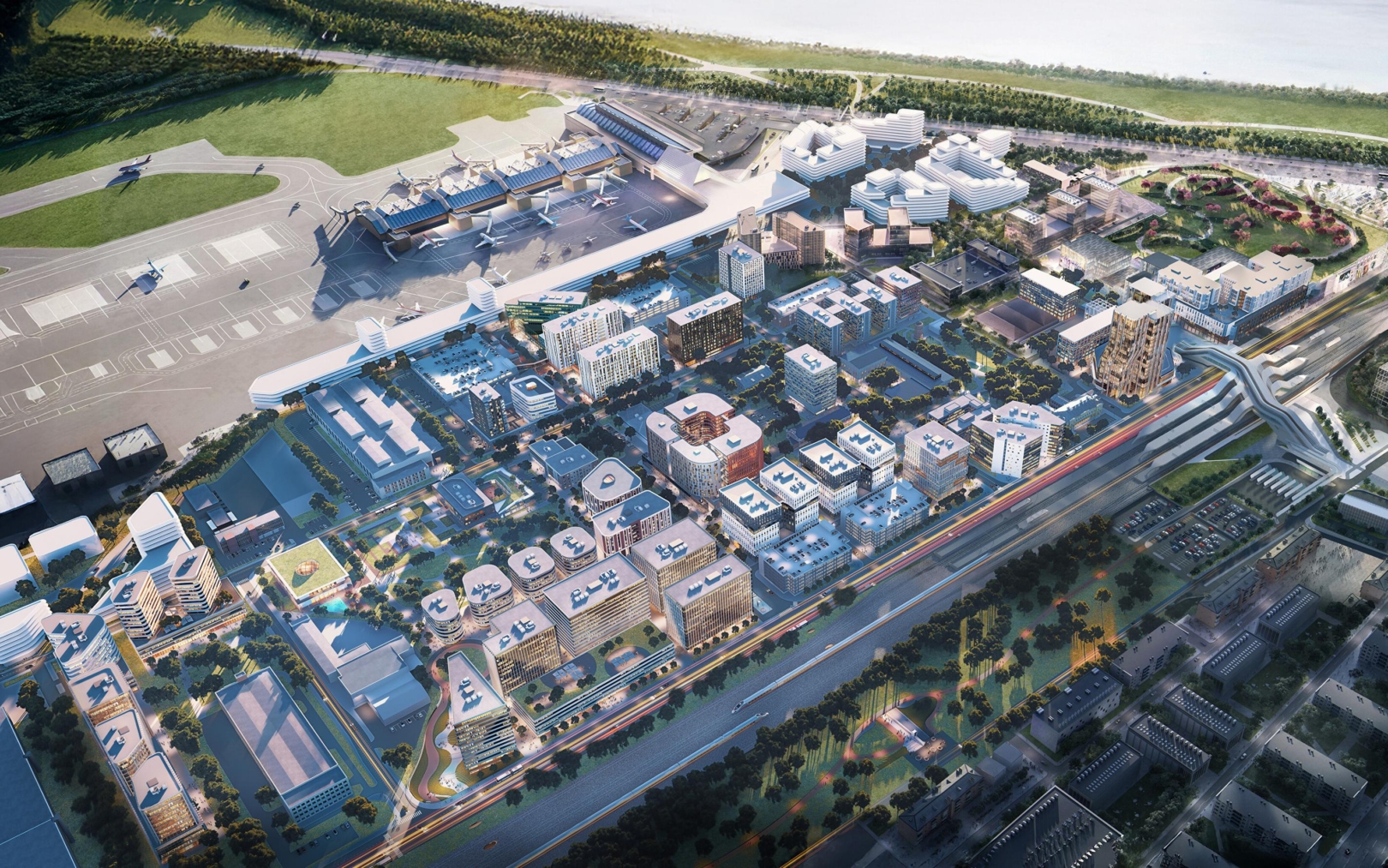
Completion of Rail Baltica terminal will turn Ülemiste Tallinn’s second city centre by 2030
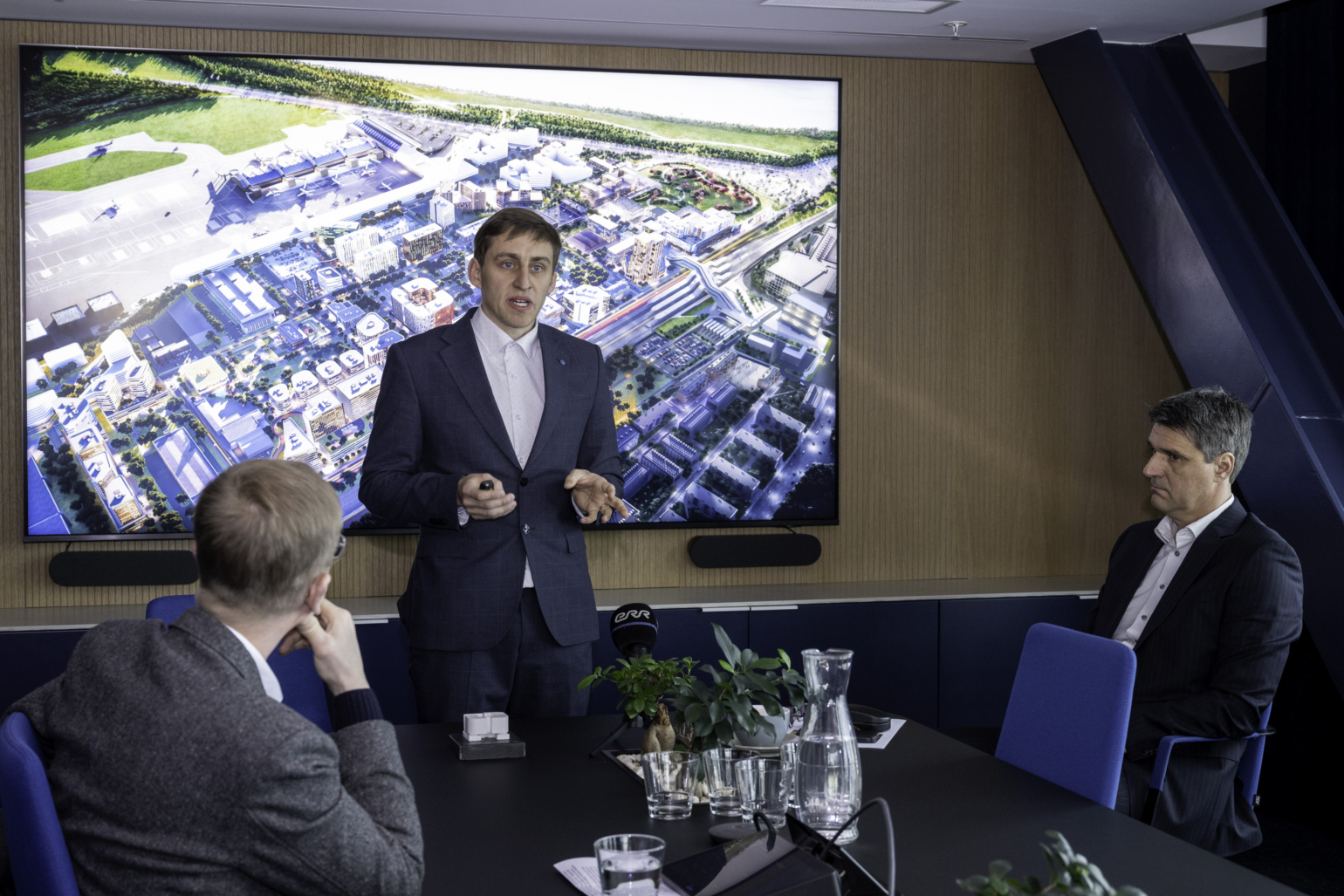
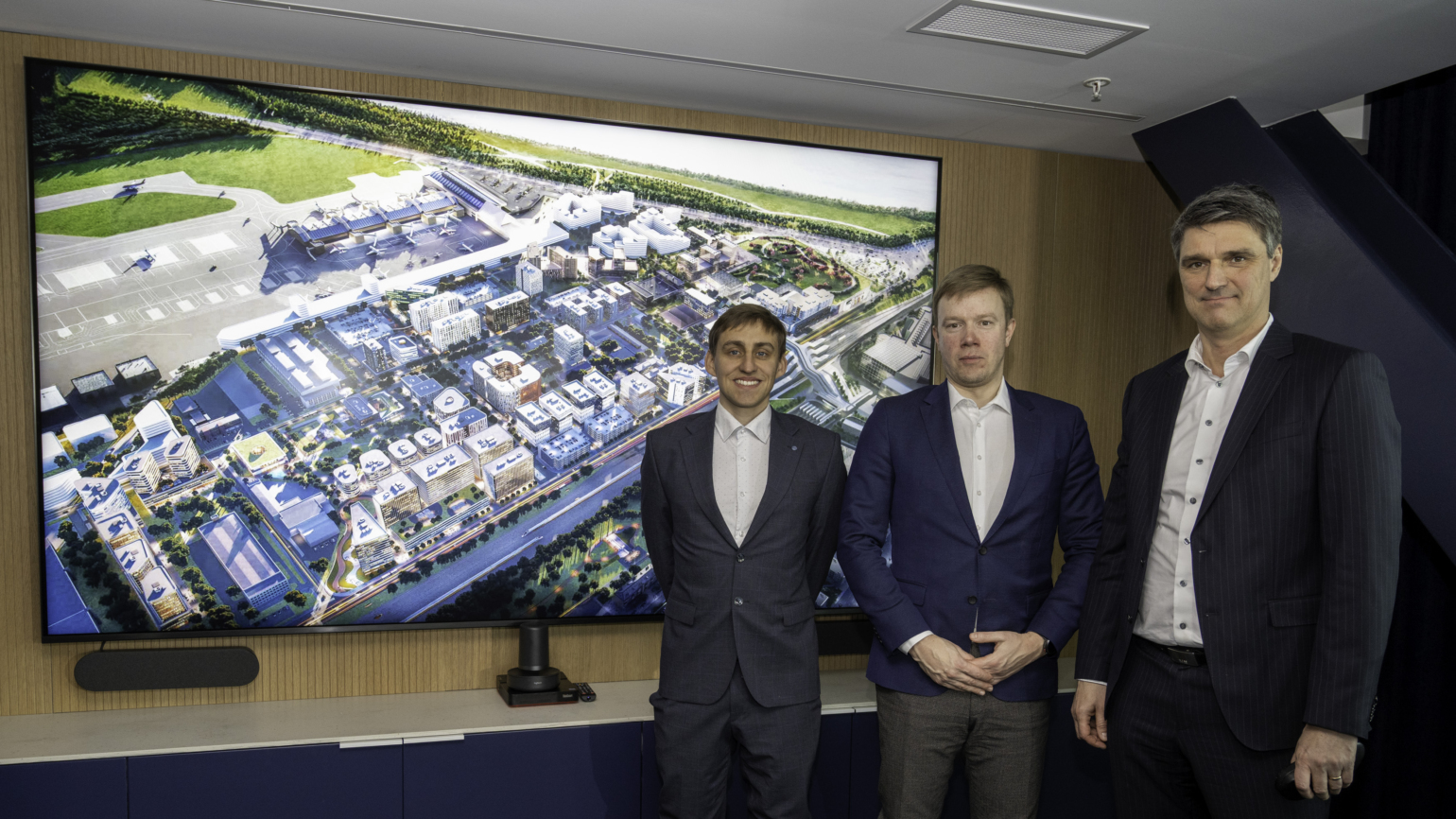
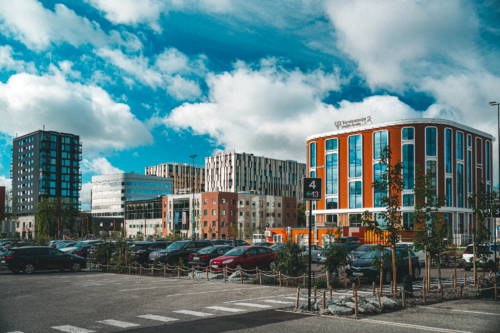
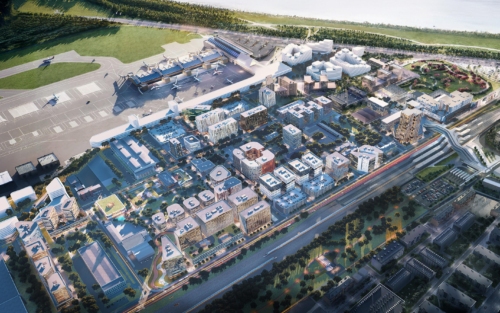
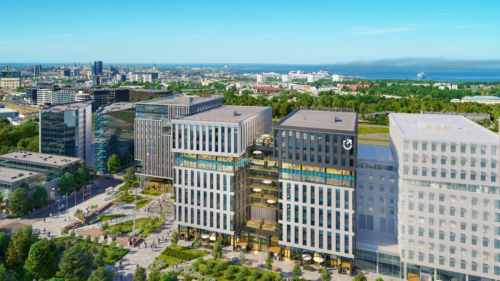
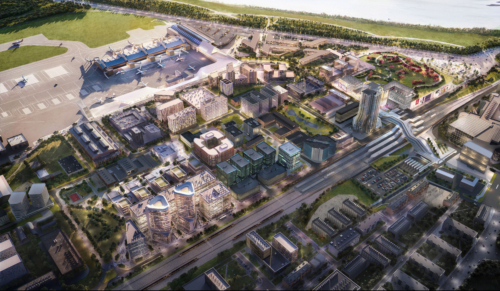
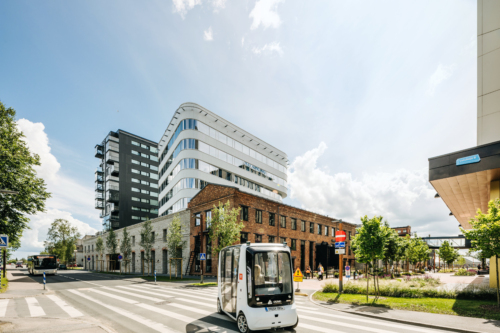
The Ülemiste district is currently the fastest-growing area in Tallinn and, due to its location next to the capital’s most important transport hub, is set to become the city’s new centre in the near future. To realise this vision, Tallinn Airport, Rail Baltic Estonia and Mainor Ülemiste are working together, investing nearly €500 million over the coming years in developments that will transform the former industrial area into a modern urban gateway attractive to international companies and investors.
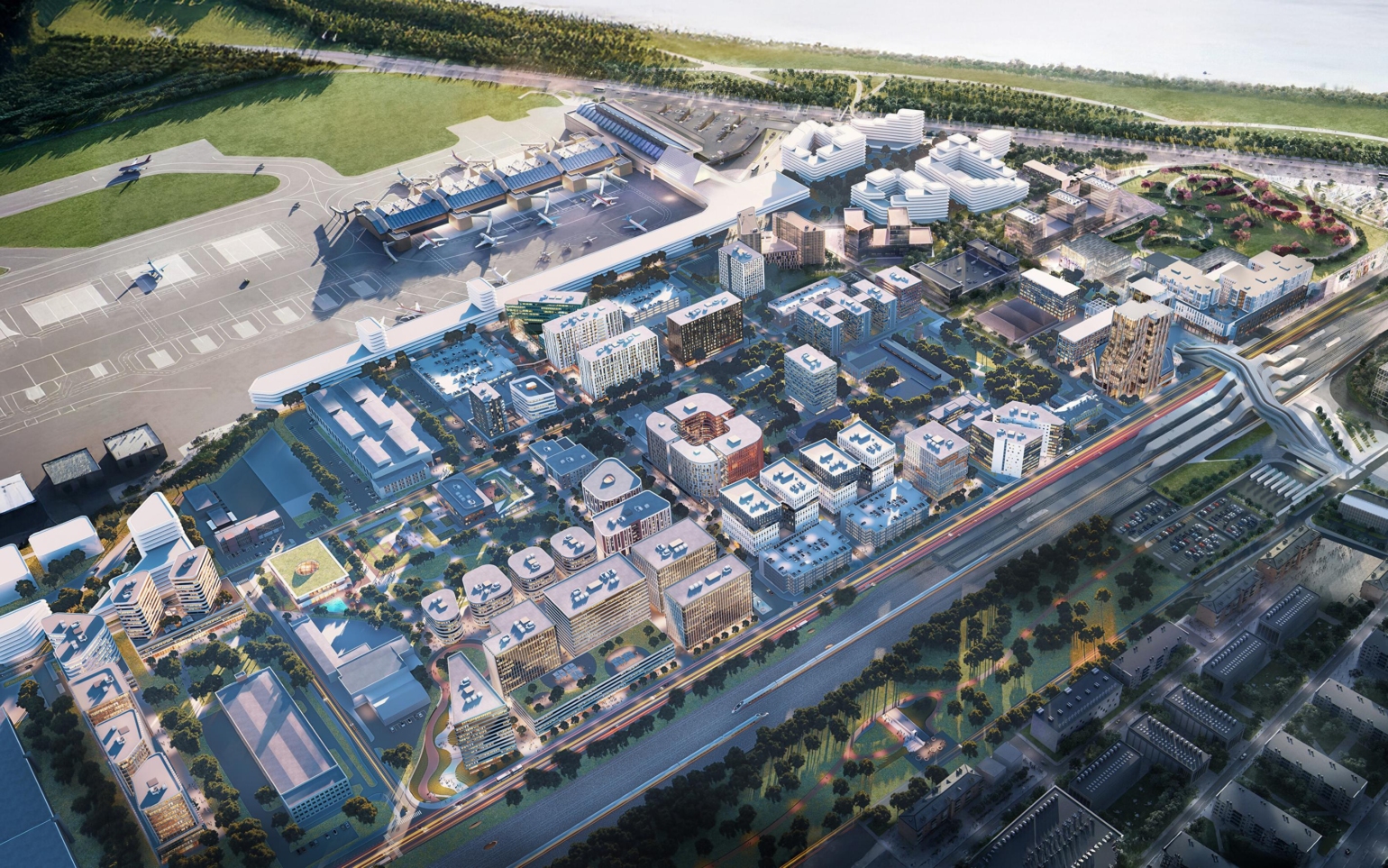
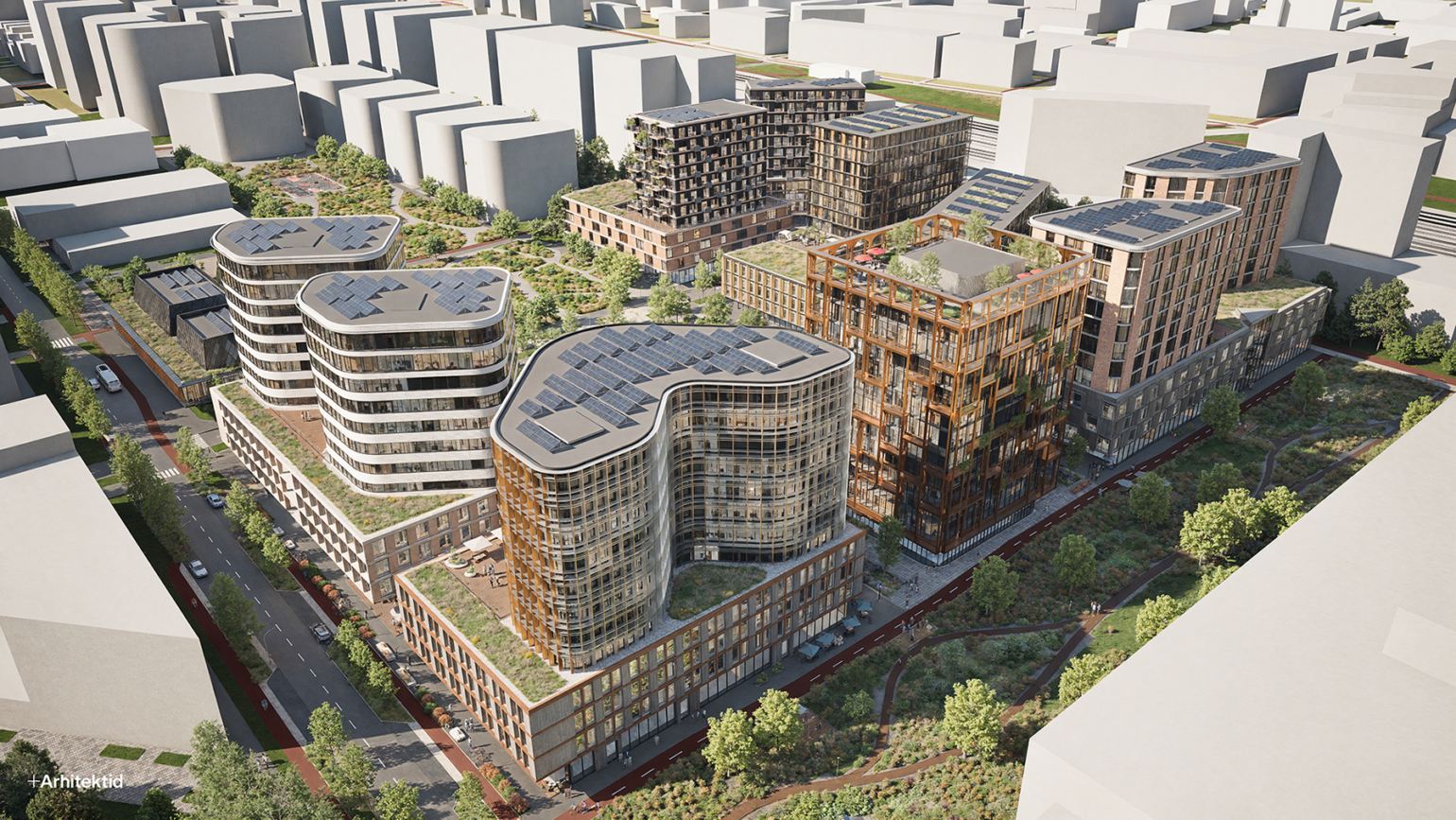
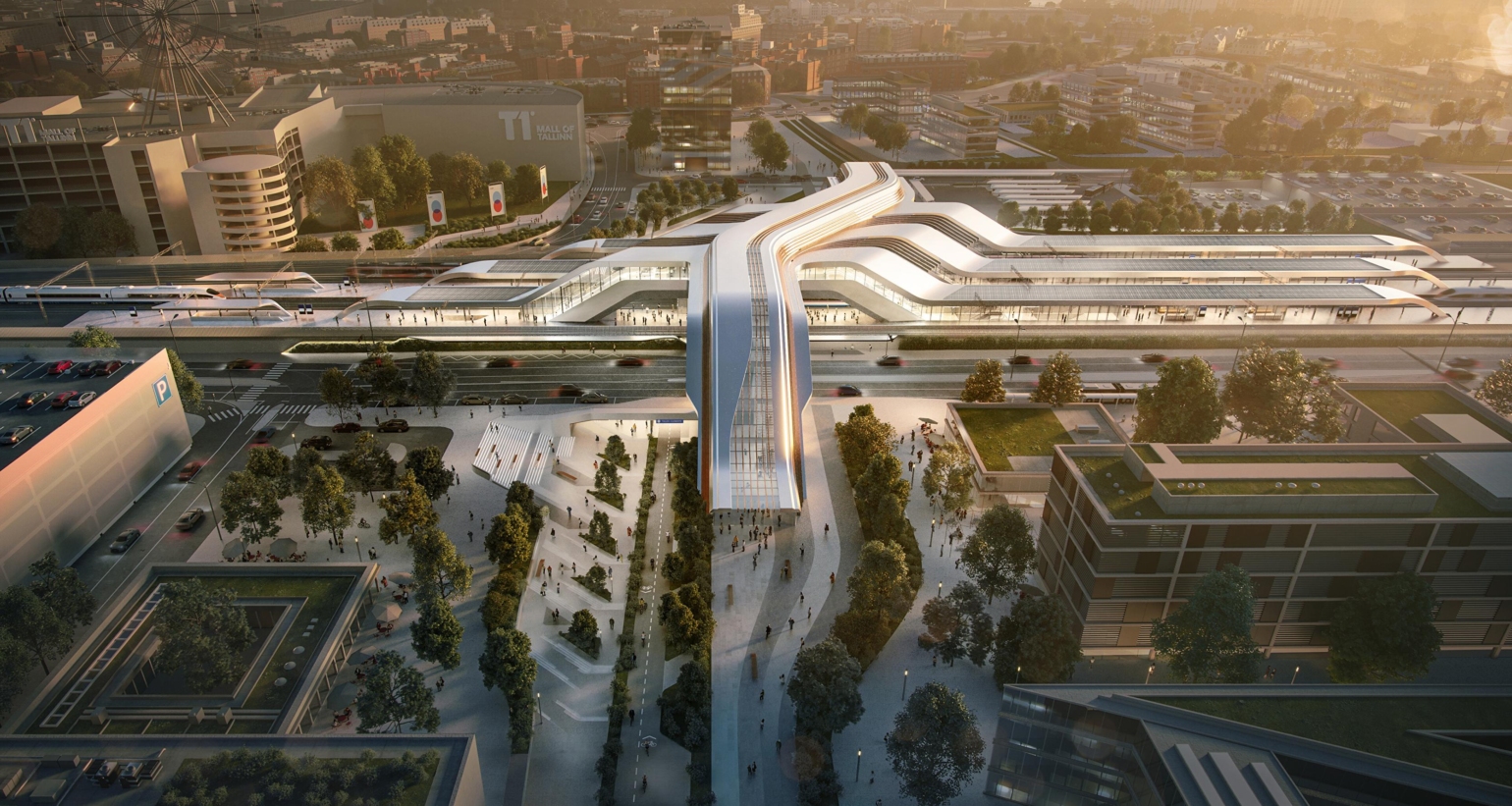
According to Sten Pärnits, Chairman of the Management Board of Mainor Ülemiste, Rail Baltica will unite international and local railway lines, trams, buses and the airport into a single integrated space and contribute to creatinga second city centre. “Together with the Rail Baltica Linda Terminal, Ülemiste Centre and Tallinn Airport, we are creating an area that is no longer merely a transport hub but a city within a city – modern, with dense public space, pedestrian-friendly and an international urban hub,” said Pärnits.
The impact of such a centre extends far beyond Tallinn. “Countries and cities are competing intensely for investments, foreign visitors, conferences, talent and headquarters. Both Tallinn and Estonia have set the goal of attracting more investments and international visitors. An attractive gateway with high-quality urban space, together with the conference centre we are developing, will help to achieve this goal,” he explained, adding that Ülemiste will become a place where Europe meets Estonia and vice versa.
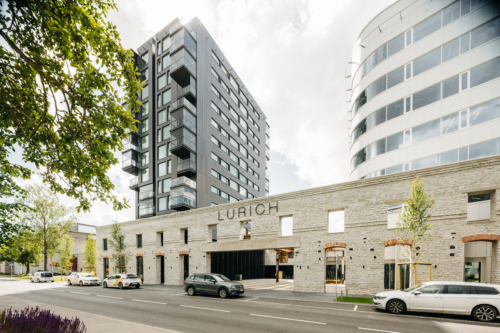
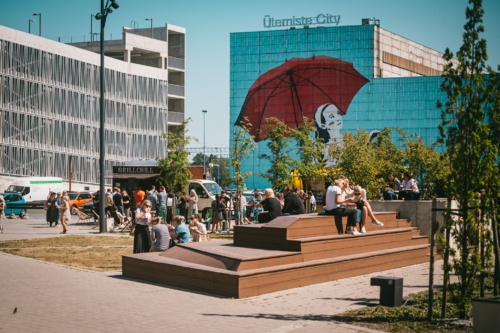
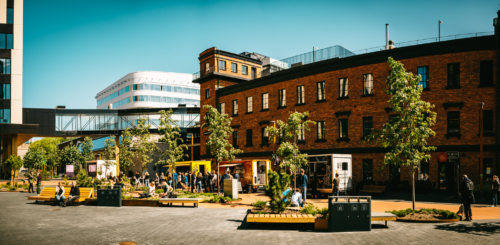
Already today, Ülemiste City is Estonia’s third-largest economic city based on labour taxes, with companies generating nearly €3 billion in total revenue in 2024. By 2030, 25,000 people will live, study and work in the campus.
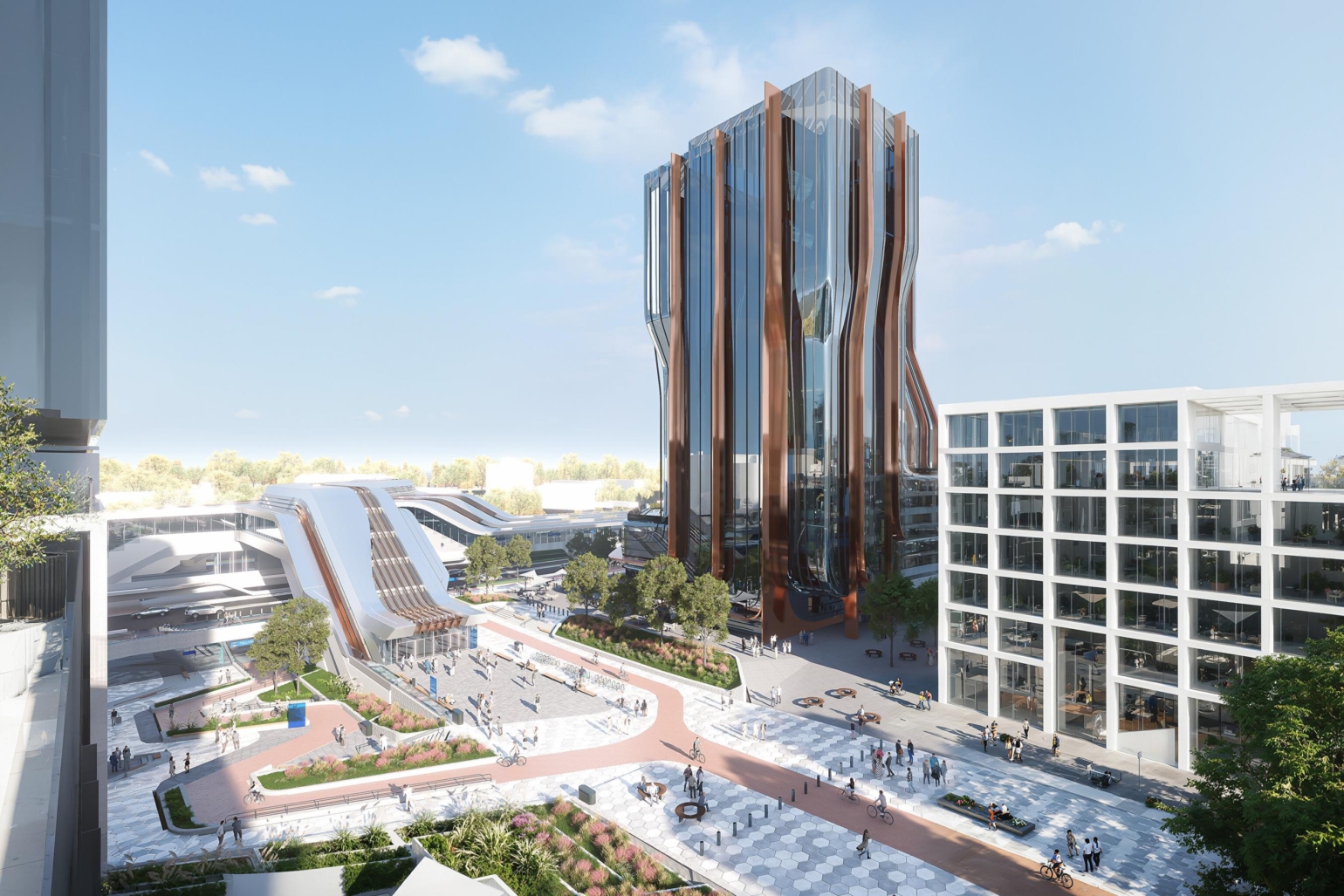
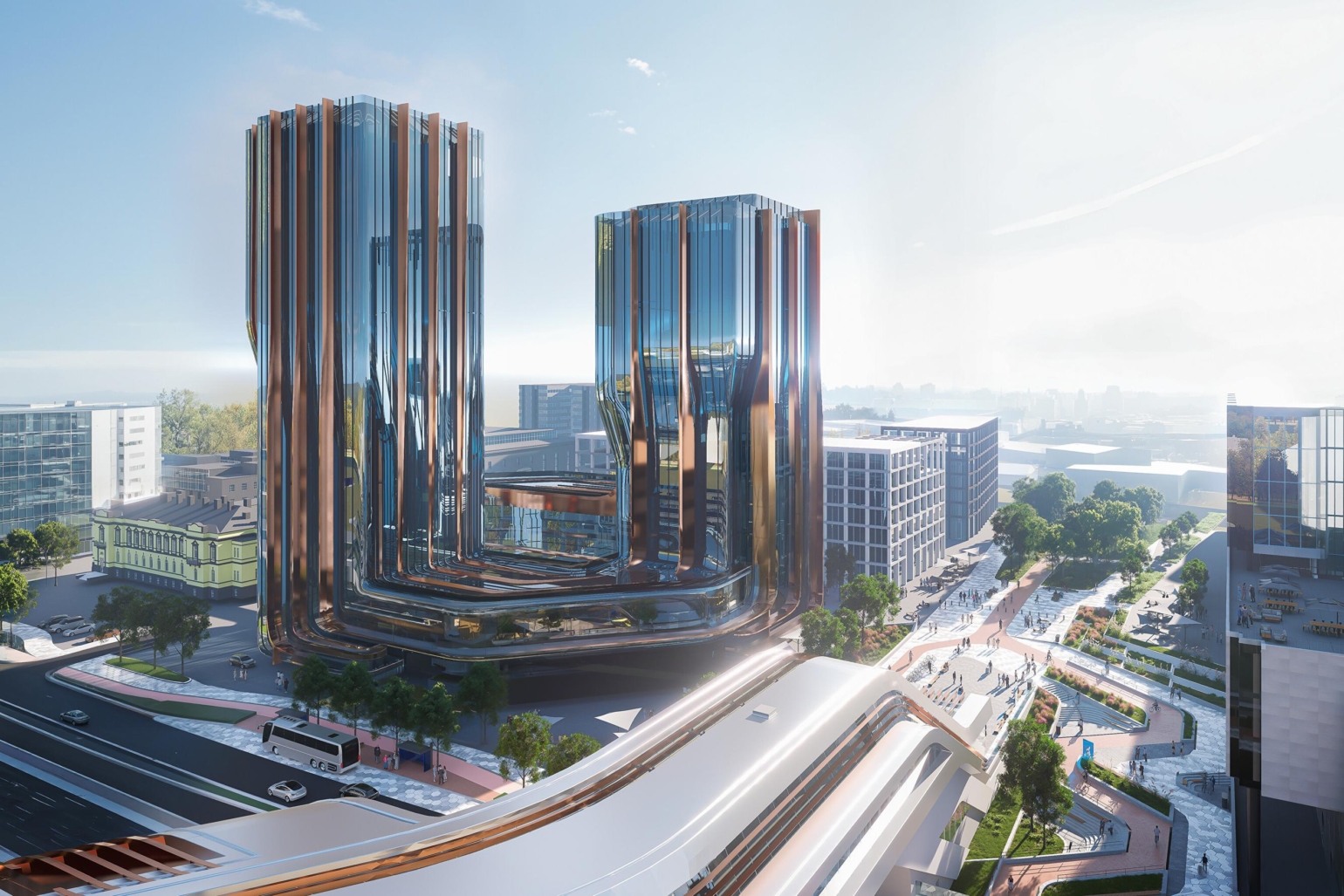
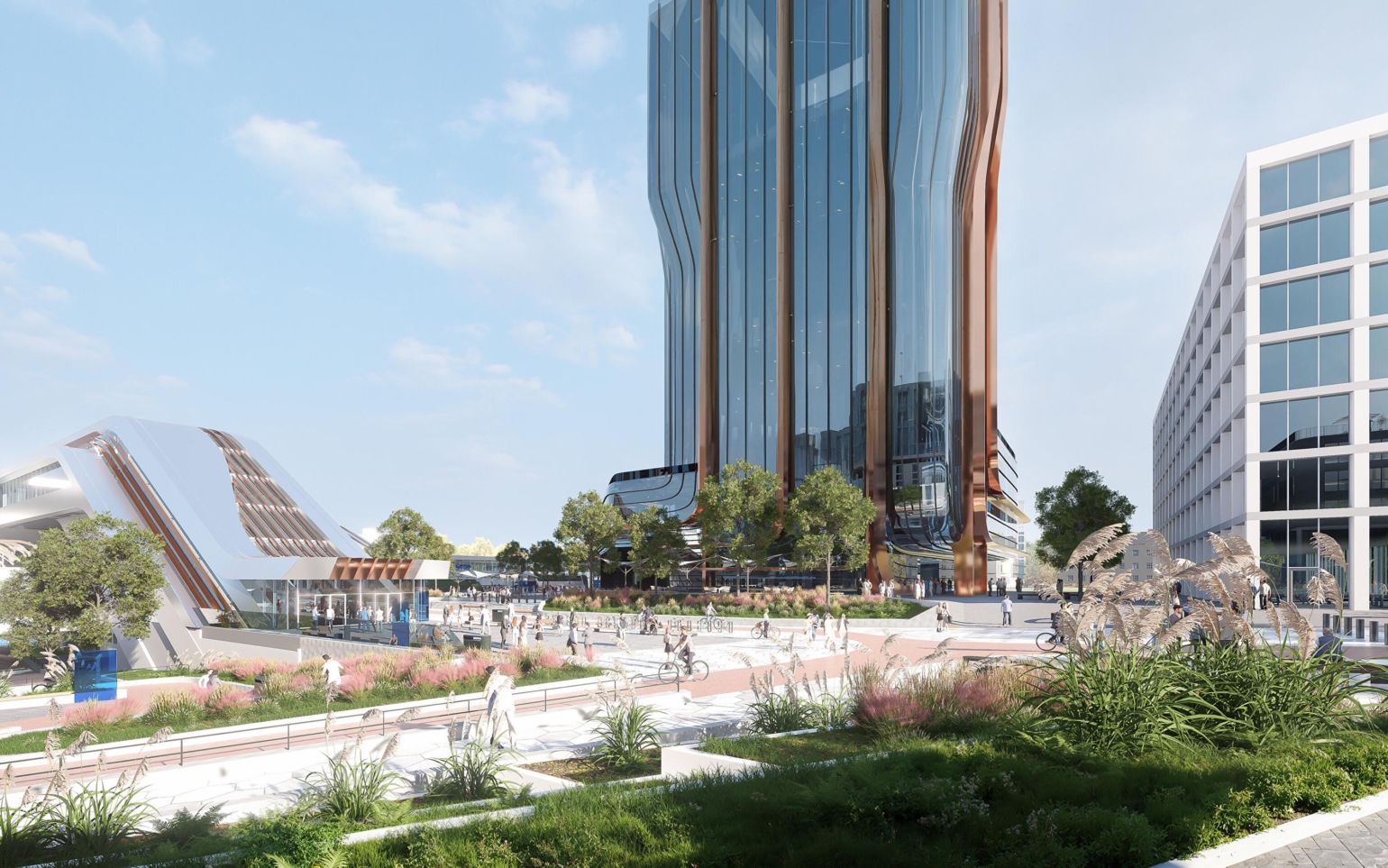
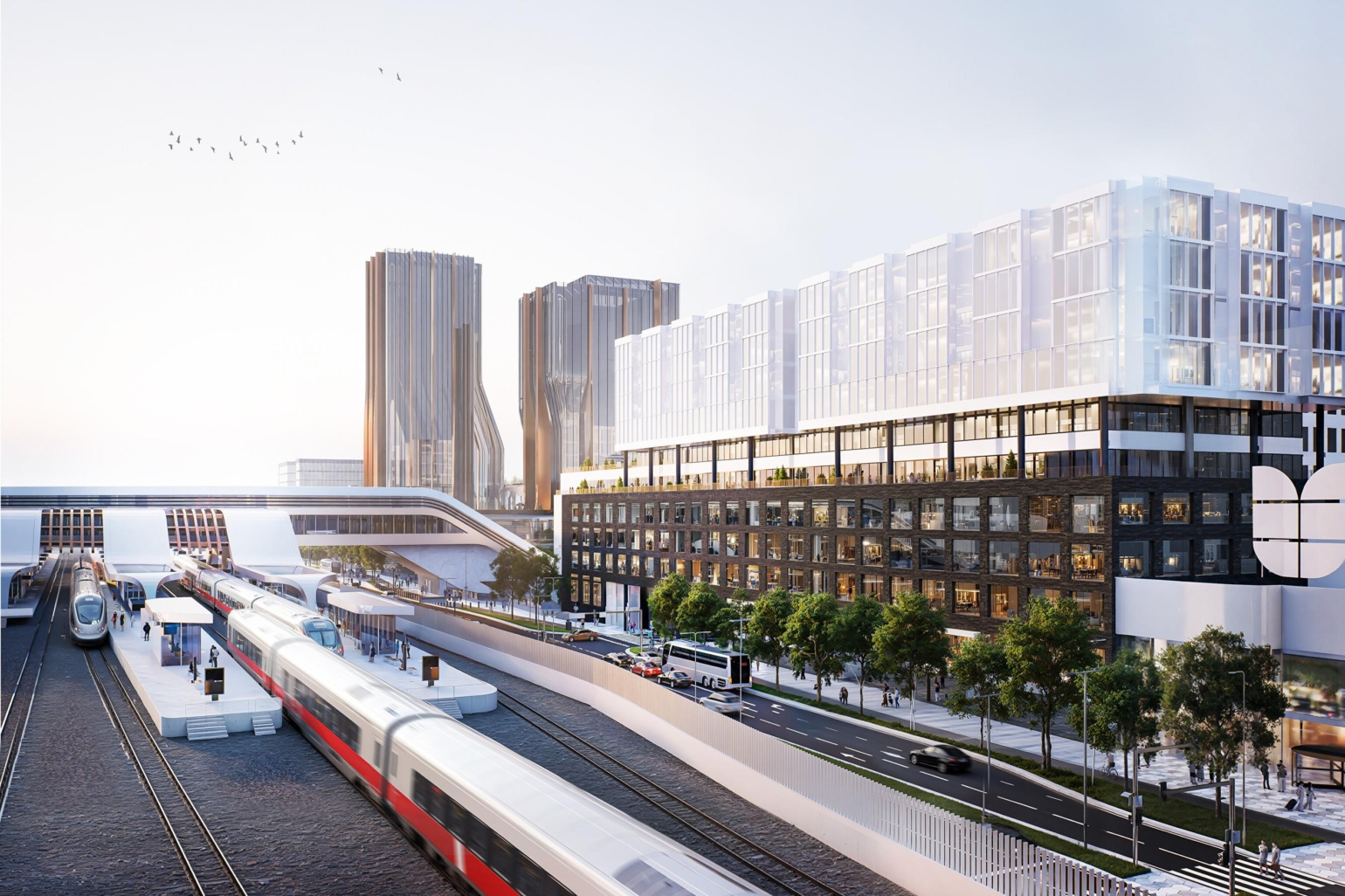
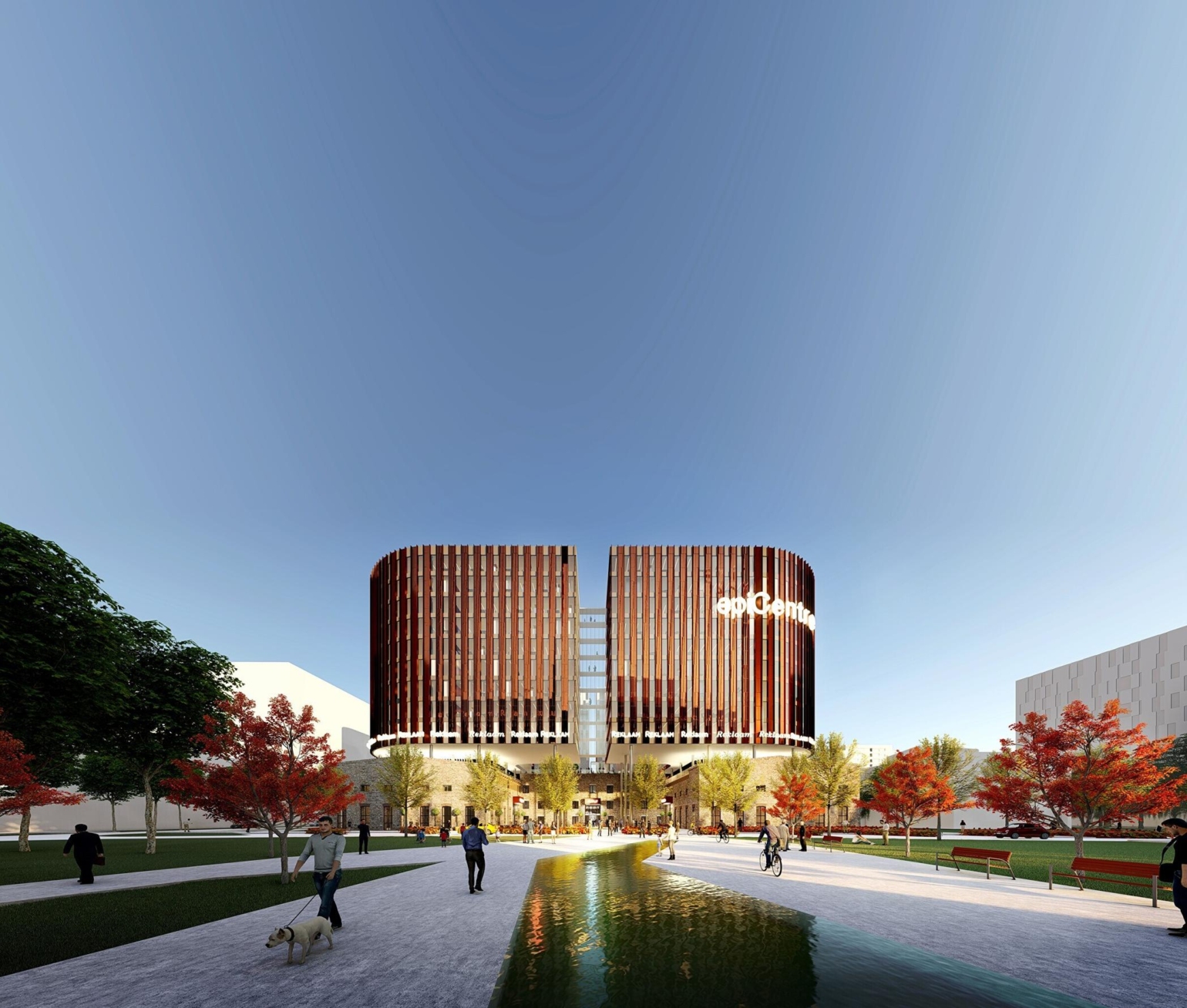
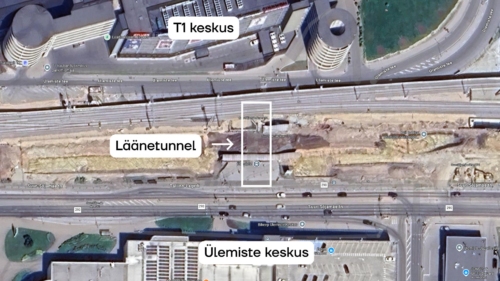
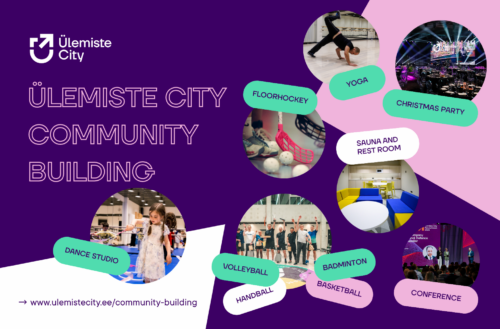
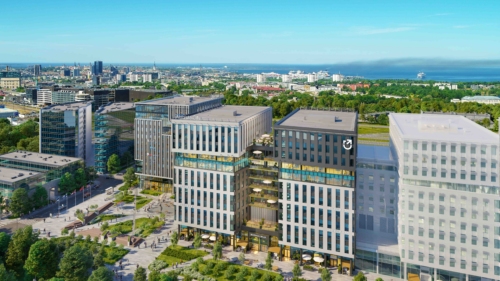
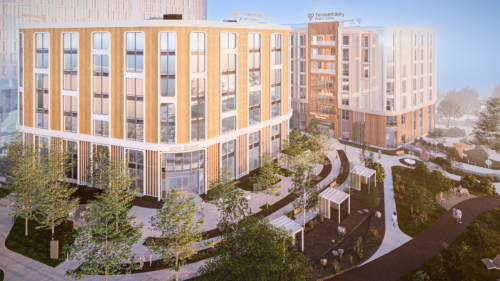
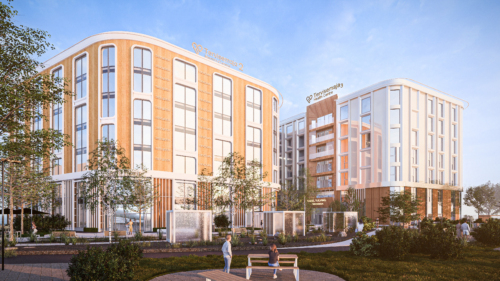
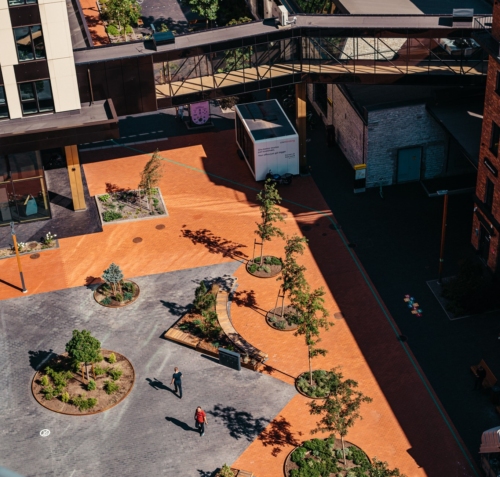
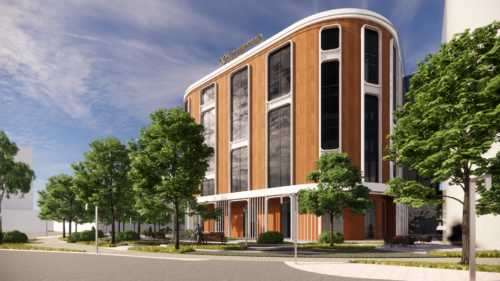
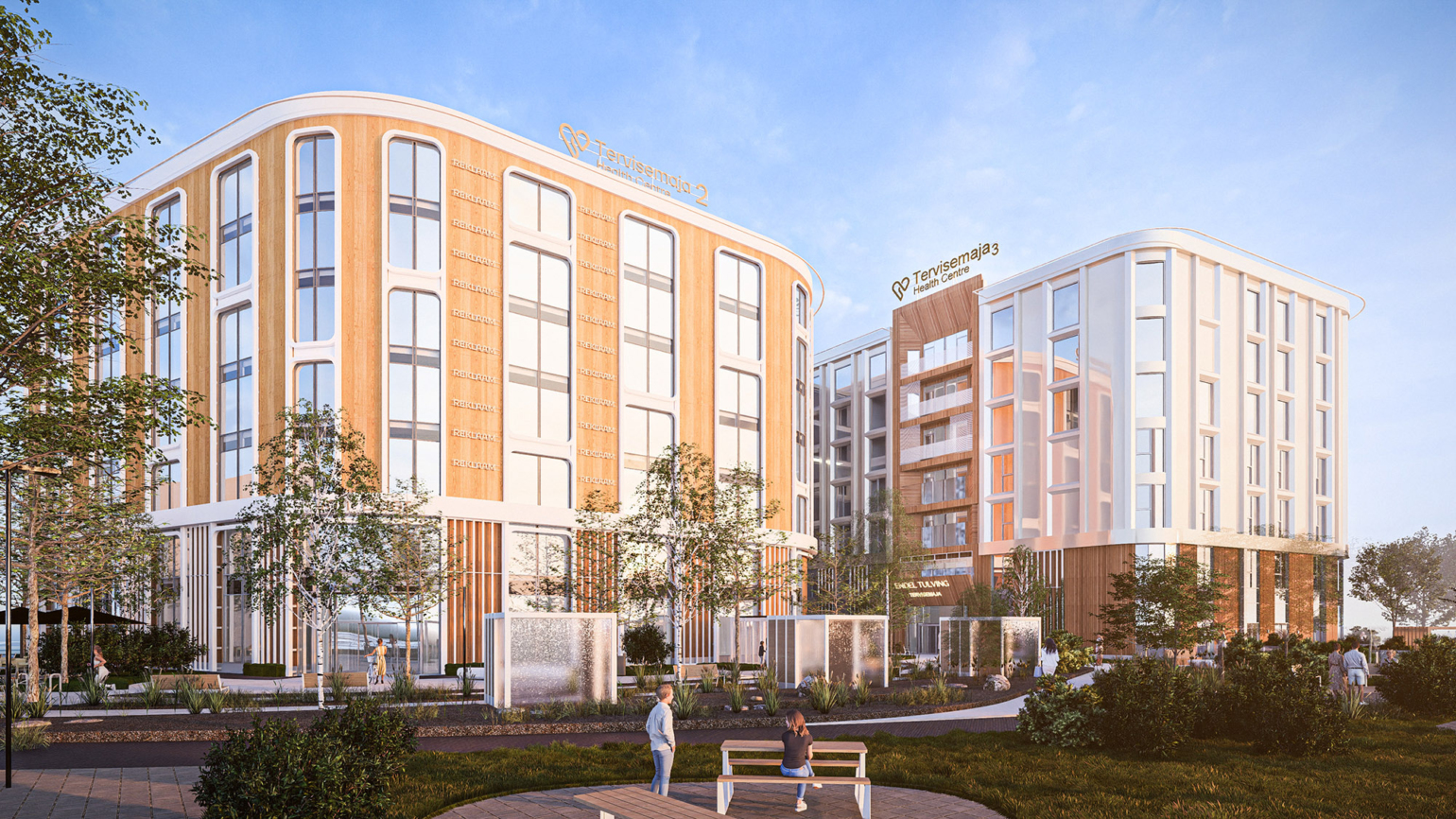
To create a presentable connection between Rail Baltica, the airport and Ülemiste Centre, a European park and a high-rise building designed by Zaha Hadid Architects are planned in Ülemiste City, housing one of Estonia’s largest conference centres at 4,700 m², expected to generate €140 million in tax revenue for the state. By 2028, a spa of up to 6,000 m² is also planned, featuring water, sauna and children’s areas, an adults-only spa and dining facilities. A residential area with four apartment buildings and a total of 400 apartments is also planned for the campus.
According to State Architect Tõnis Arjus, the emergence of a new city centre is logical, as urban space has historically always developed around major transport hubs. “Estonia should not be developed like a patchwork quilt, which is why it is positive that the area is being viewed as a coherent whole,” he said. The multifunctional living and working environment being created in Ülemiste is the right direction, as today’s urban users and visitors are increasingly demanding. “Therefore, urban space must be well thought out, comfortable and of high quality, as this is what people elsewhere in Europe are accustomed to.” He also emphasised the importance of creating organic connections with the rest of the city so that Ülemiste becomes a natural part of the capital.
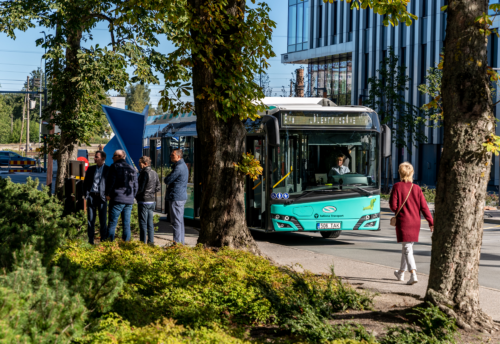
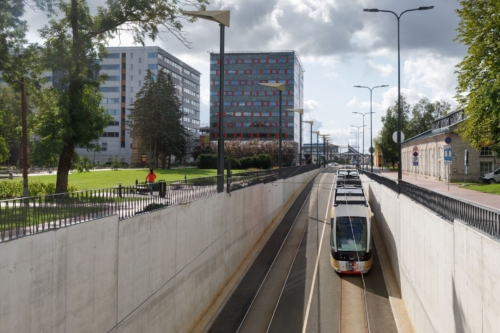
Tallinn Deputy Mayor Tiit Terik also agrees that the city must make smart decisions to improve mobility in the area. From June, the area will once again be accessible by tram, but some bus routes also need to be reconsidered. He confirmed that the city would very much like to see a multifunctional large hall with 10,000 seats in Ülemiste, although its financing depends on decisions by the state and the Estonian Olympic Committee.
Tallinn Airport forecasts that by 2030 passenger numbers will increase from the current 3.5 million to up to 5 million, which is why last year the airport launched the largest development project in its history, with an estimated cost of up to €75 million. “The terminal expansion is necessary to ensure smooth, safe and high-quality passenger service over the next 10–15 years,” explained Riivo Tuvike, Chairman of the Management Board of Tallinn Airport. The airport will introduce innovative self-service solutions, allowing passengers from the second half of 2026 to check in their baggage even more conveniently on their own, and in the future to board aircraft through automated gates in boarding areas. The expansion will also resolve several existing bottlenecks. Importantly, in the future passengers starting their journey by Rail Baltica and continuing via Tallinn Airport will be able to check in their baggage already at the point of departure, with it transported directly to their final destination.
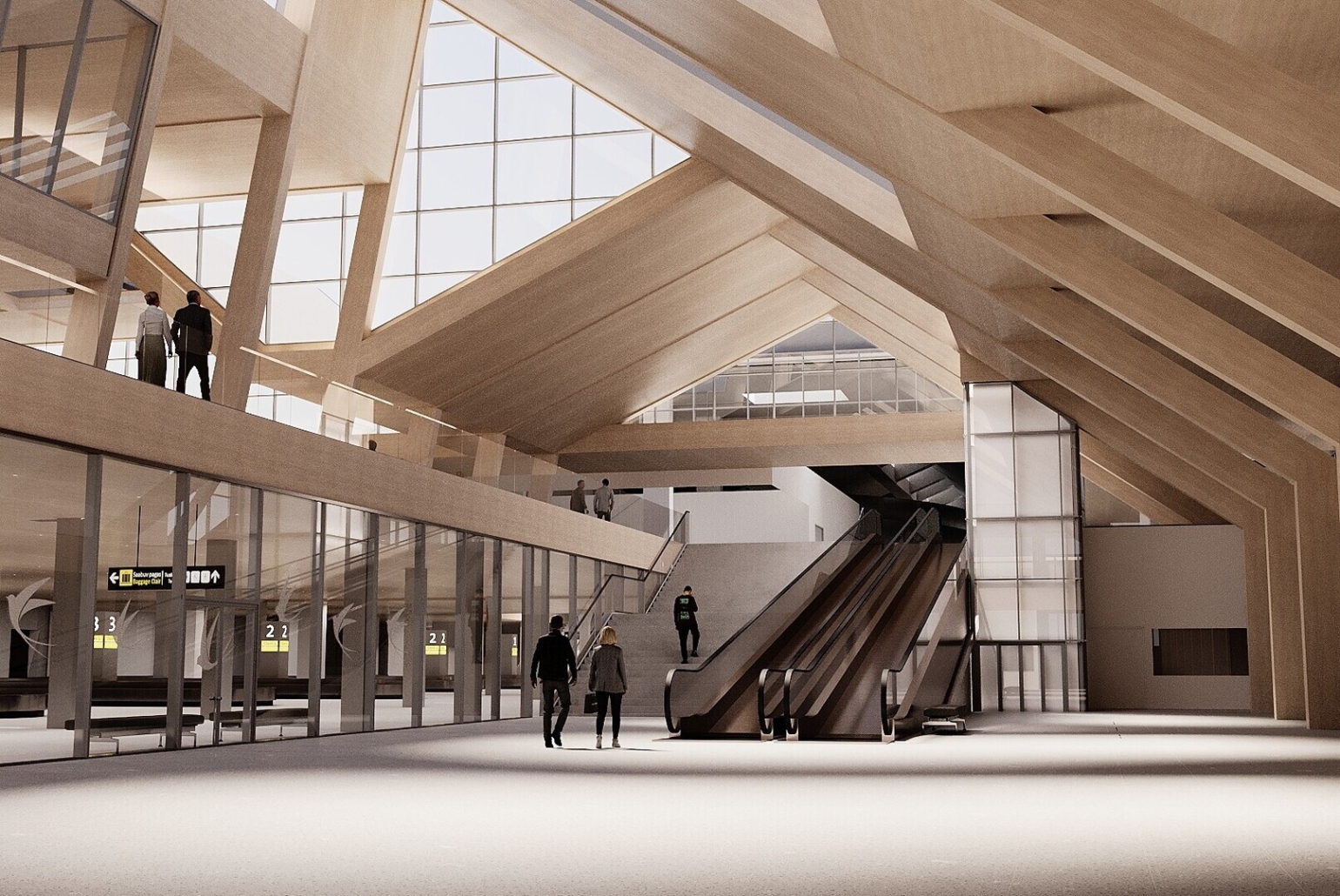
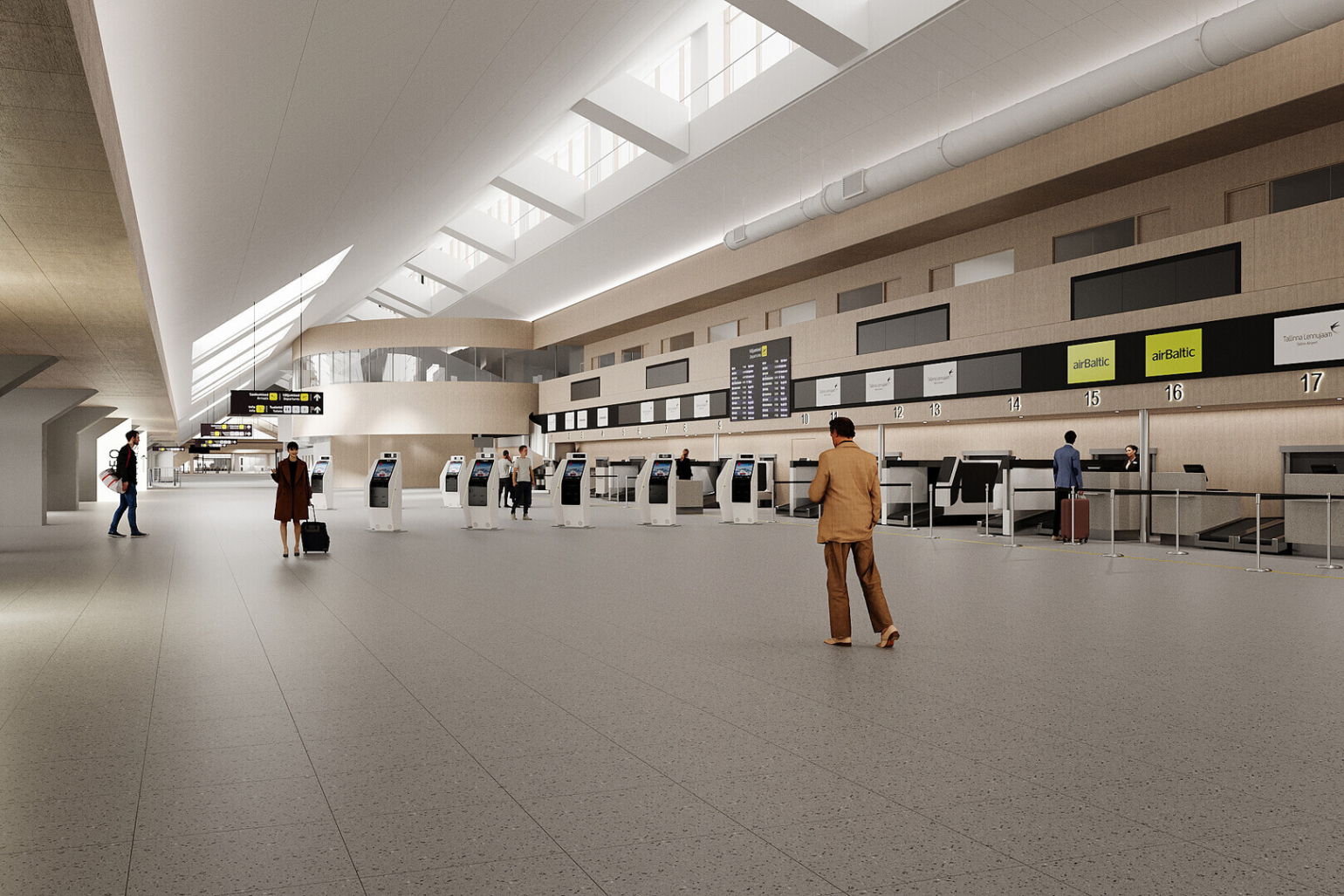
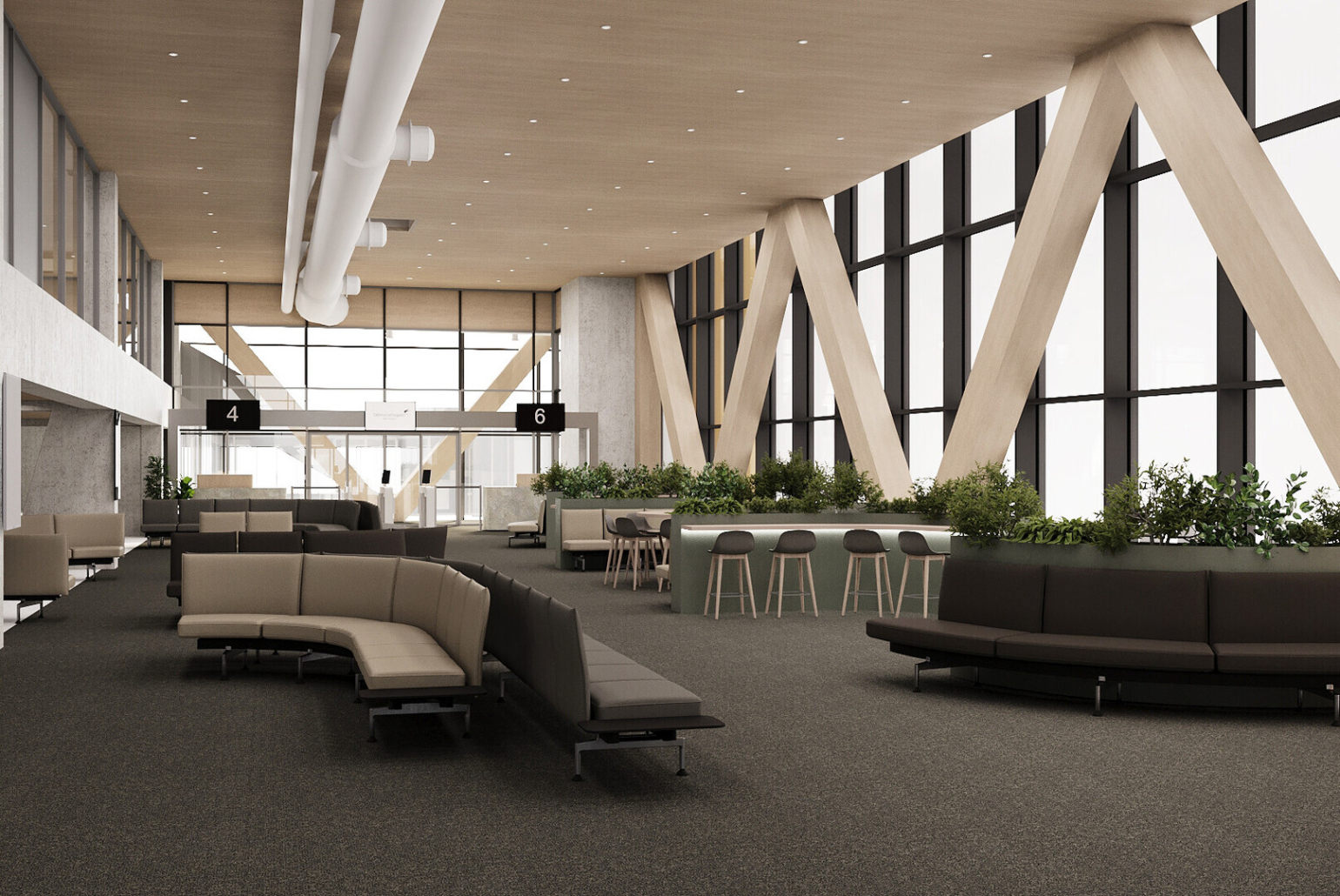
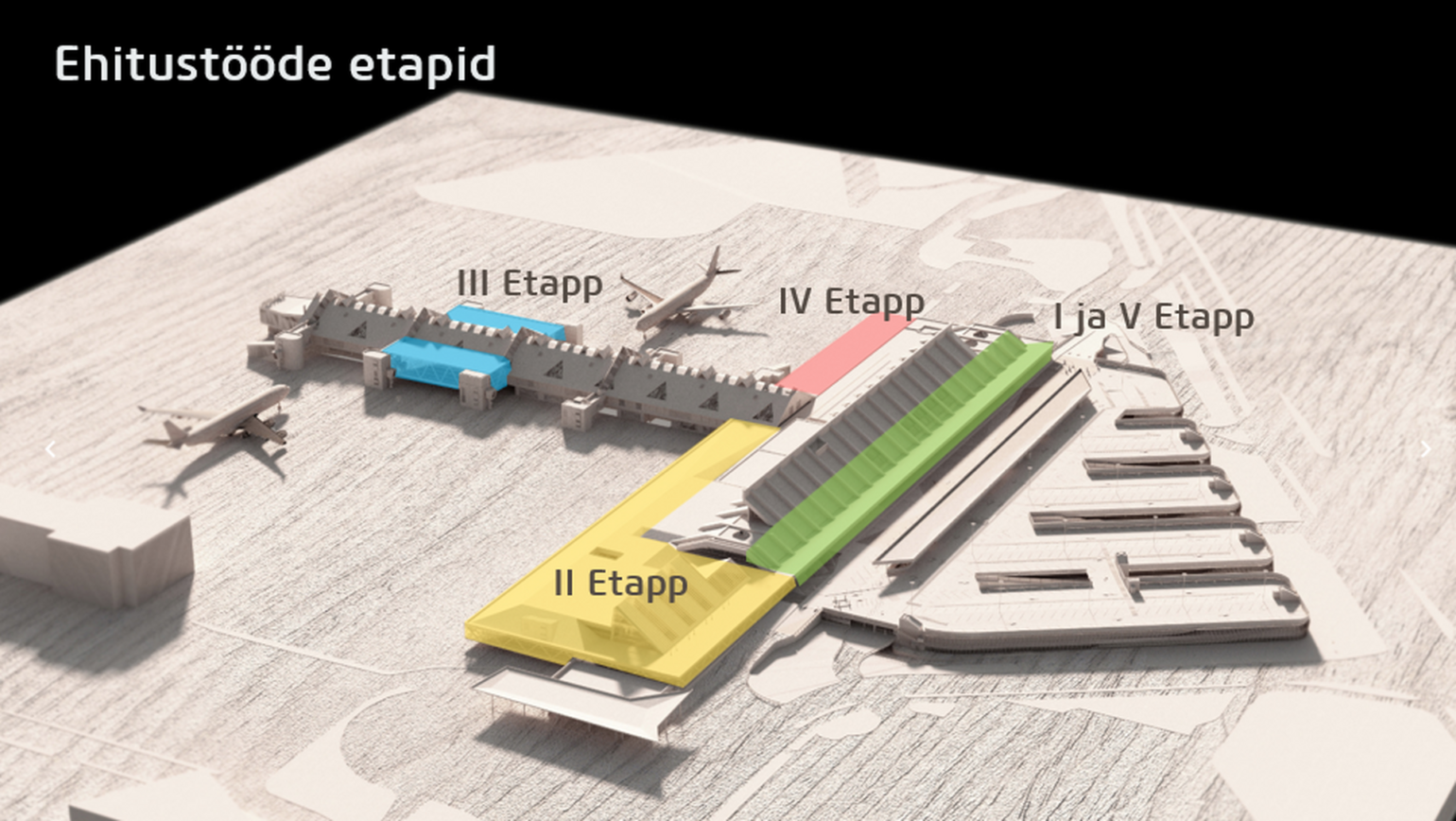
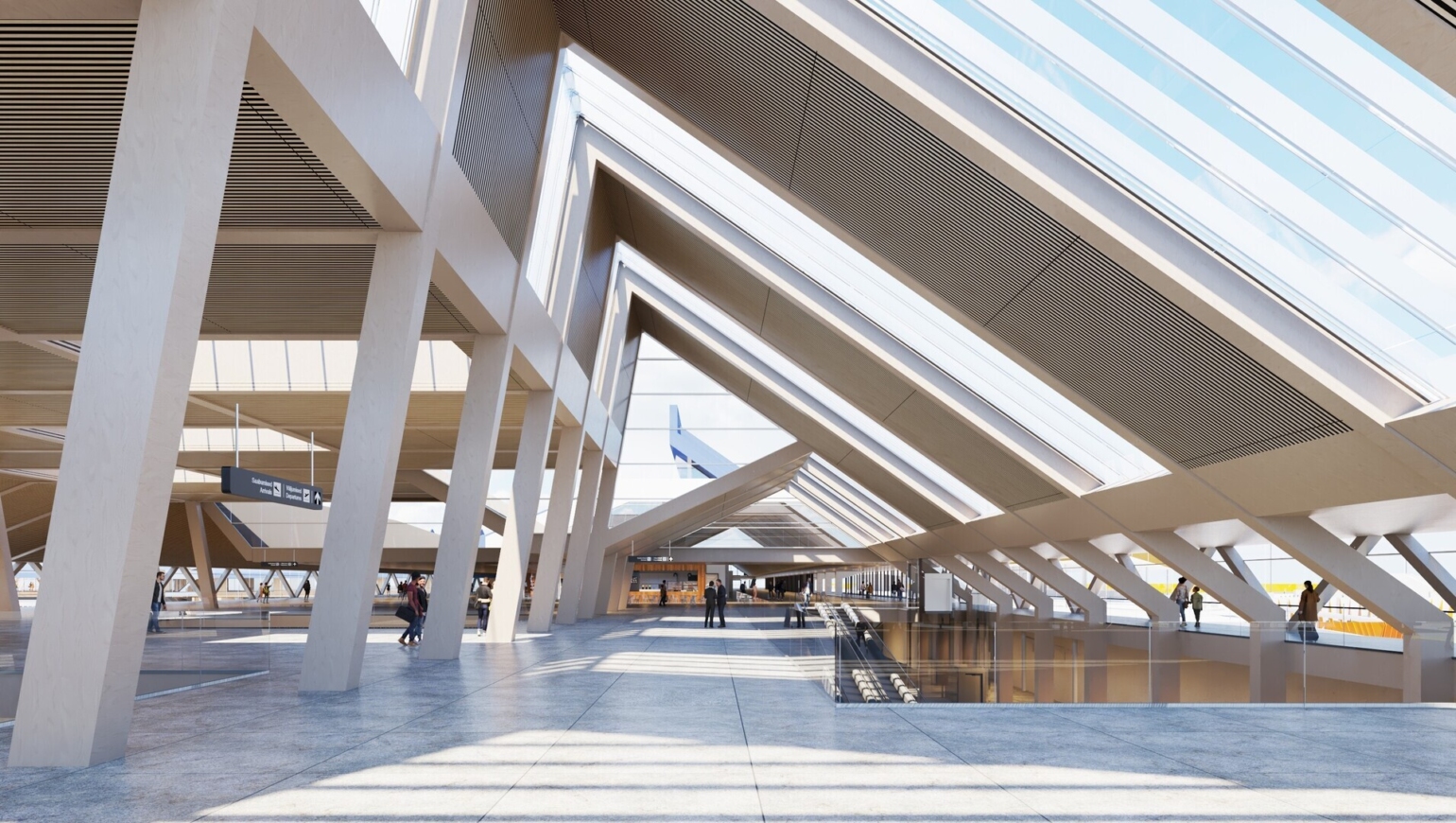
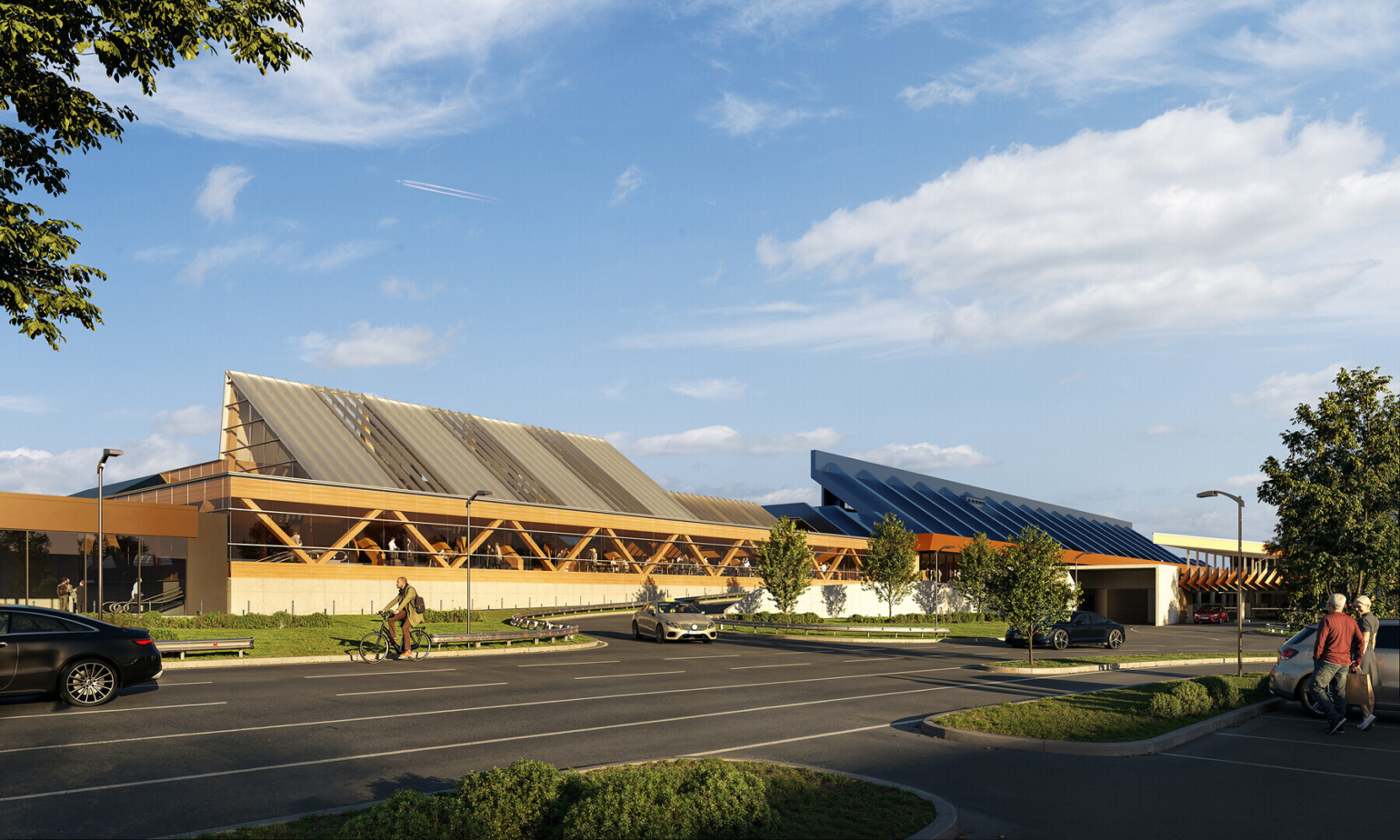
According to Tuvike, the integrated development of the area creates a strong foundation for attracting international companies to Estonia, and the airport’s real estate development, located on plots around the runway, is primarily aimed at companies directly or indirectly related to aviation. He emphasised that while Estonia already has a largely developed aviation-supporting district in the Ülemiste area, neighbouring Latvia is only at the development stage with its own project.
According to Anvar Salomets, Chairman of the Management Board of Rail Baltic Estonia, Rail Baltica will bring approximately 2 million additional passengers to Estonia annually. However, it is important to understand that Rail Baltica will not only connect Estonia with Europe, but will also ensure smoother connections within the rest of the country. With the completion of the Linda Terminal in 2028, the capital will gain a long-missing building that connects transport modes, making it convenient to continue onward to the next destination, whether in central Tallinn, elsewhere in Estonia or abroad.
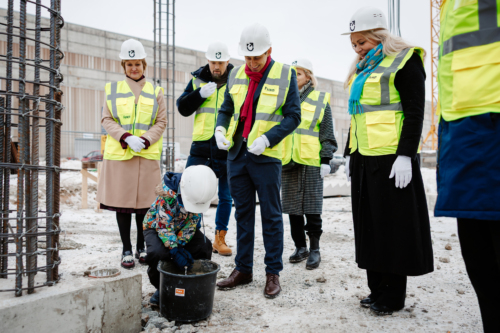
“Construction of the Ülemiste terminal is progressing according to plan, and it is already visible how the future transport hub is taking shape step by step – in the summer of 2025, Elron brought the first waiting platforms of the new station into use,” said Salomets. “By the end of this year, the building’s concrete structure will be completed, after which both the scale of the station and its architectural form will be clearly perceptible.” Over the next decade, nearly 15 million people will pass through the Ülemiste area when taking into account air and Rail Baltica passengers and other mobility forecasts. It is essential that urban space is developed as a coherent whole with this load in mind.