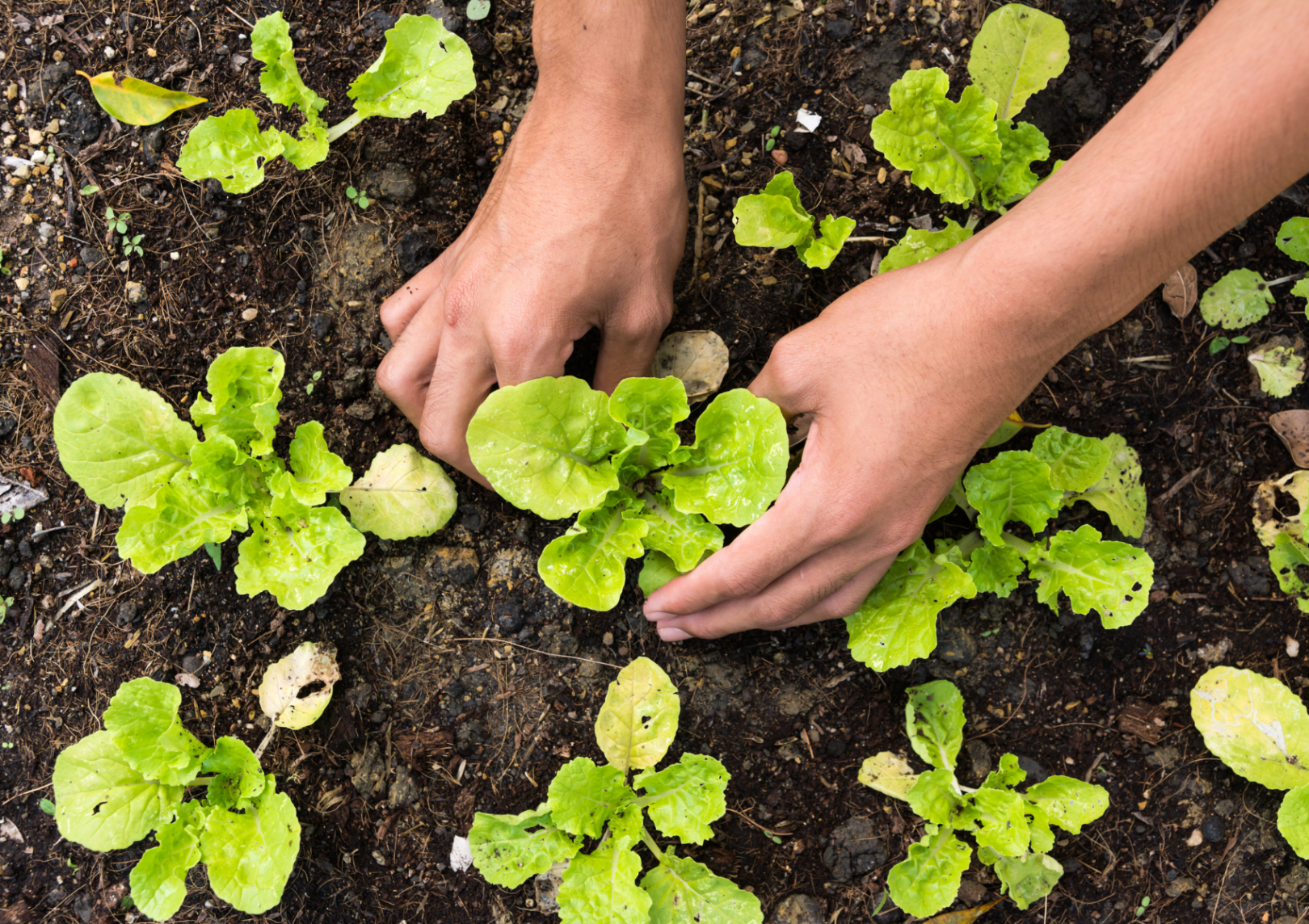
In the communal garden we grow both plants and a sense of community.
1. Contacts and information
The garden is managed by the Ülemiste community in cooperation with Mainor Ülemiste. The Ülemiste City community consists of 18,000 talents who work, study, or live in Ülemiste City. All community members are welcome to join the community garden. If you are interested, please contact the community garden coordinators.
Garden Coordinators:
Ursula Toomri: +372 5199 0290, ursula.toomri@nordea.com
Kaidi Aher: +372 5750 1959, kaidi.aher@mainorulemiste.ee
Information about events and activities is posted in the Ülemiste City community Facebook group and sent by email. You can follow all Ülemiste City community activities on the website ulemistecity.ee and by subscribing to the newsletter: https://www.ulemistecity.ee/en/newsletter/
We welcome all gardeners to join the community WhatsApp group, where you can ask for advice or share ideas related to the garden. Join the group here: https://chat.whatsapp.com/EFWWZlKSmz3IwdWxGm3TQi
2. Use of a personal garden bed
The community garden includes both personal and shared garden beds. To use a personal garden bed, please contact a garden coordinator. Use of a bed requires a small fee (20 euros per season) and signing an agreement. The fee is used for joint events and shared expenses of the community garden.
You may grow any non‑invasive plants that are permitted under Estonian law. Each garden bed and the plants in it are the responsibility of the user. Please do not weed, plant, or water another person’s bed without prior agreement.
It is good practice to tend your plants at least once a week. Remove weeds and withered, dry, or diseased plants as soon as possible. If you will be away for a longer period, please arrange for a friend or fellow gardener to look after your plants.
Only natural fertilizers and plant protection products are used in the community garden (for example, herbicides like Roundup and other poisons are strictly prohibited).
If you decide to give up your personal garden bed, transfer the right of use to another person, or are unable to care for your bed for a long period, please inform a garden coordinator. A neglected bed may be reassigned after one month if the current gardener does not respond.
We are respectful of other gardeners and ensure that our plants do not disturb others or block access to garden beds.
3. Shared garden beds and planting areas
The community garden includes shared beds located in the seating area and edible landscaping plants that anyone may harvest. Please be considerate and consume reasonably.
The plant exchange bed is for sharing surplus healthy seedlings. Place extra plants there with a label, and feel free to replant something you like into your own bed.
Fruit trees and the plants and shrubs beneath them are shared and cared for jointly. The harvest from shared areas is for everyone.
The greenhouse and all plants grown in it are shared, and maintenance is carried out together. The harvest is available to all community gardeners. A maintenance schedule is agreed at the beginning of the season.
All plants planted in the greenhouse must be labeled. Unlabeled, unknown, or diseased plants may be removed.
4. Tools
Shared tools are stored in the garden shed. Please clean them after use and return them to their place.
Personal items such as pots, fertilizers, and other supplies may also be stored in the shed. Please clearly label personal belongings with your name.
5. Watering and composting
Water your plants thoroughly once a week rather than a little every day.
Garden waste is collected in the compost bin. Allowed items include leaves, wilted plant parts, vegetable tops, grass clippings, chopped branches and stems, sawdust, soil, plant residues, potato peels, mushroom and berry scraps, coffee and tea grounds, fruit and vegetable waste, grain products, and eggshells.
Do not put charcoal, ash, animal waste, synthetic materials, feces, meat, fish, bones, oils, fats, sauces, dairy products, metal cans, plastic, glass, rubber, cigarette butts, or similar items into the compost.
6. Events and participation
All events in the garden are intended for gardeners as well as their families and friends. Suggestions for family‑friendly and educational activities are always welcome. You may also organize your own events in the garden—please share your ideas with a garden coordinator.
We encourage gardeners to participate in volunteer workdays and events or contribute to the garden’s operation in ways that suit their abilities. The garden is alcohol‑free, and bringing or consuming alcohol is not permitted.
7. Maintenance and cleanliness
We take care of the garden together. If you see litter, please pick it up and dispose of it properly.
Our community garden is organic and environmentally friendly. We protect nature, reuse materials, and act sustainably. Our goal is to leave the garden in better condition than we found it.
Community garden members are expected to contribute at least one week of community service during the season, such as filling the water tank, caring for shared beds, organizing events, or helping with general upkeep. The schedule is agreed at the beginning of the season.