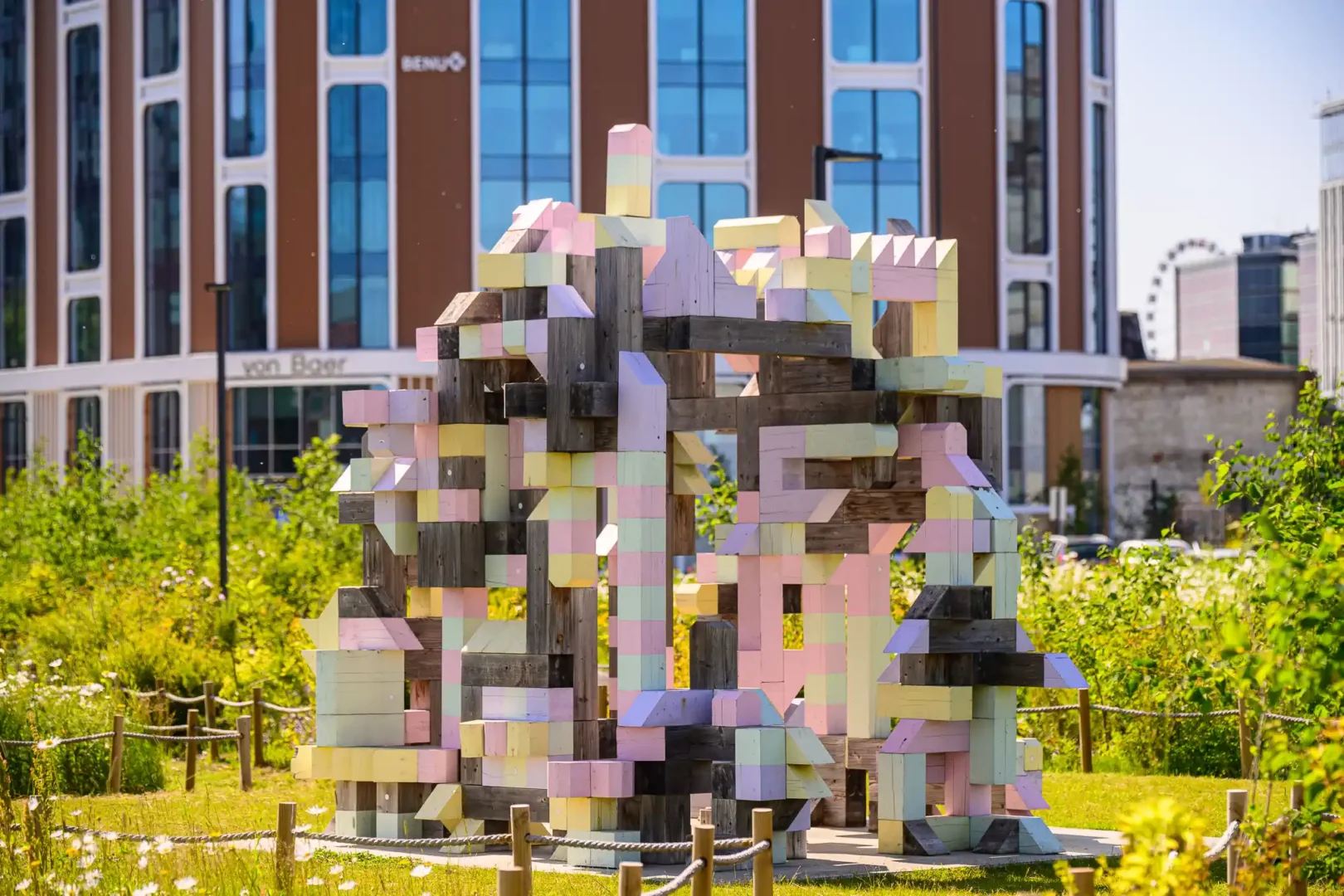
Fungible Non-Fungible
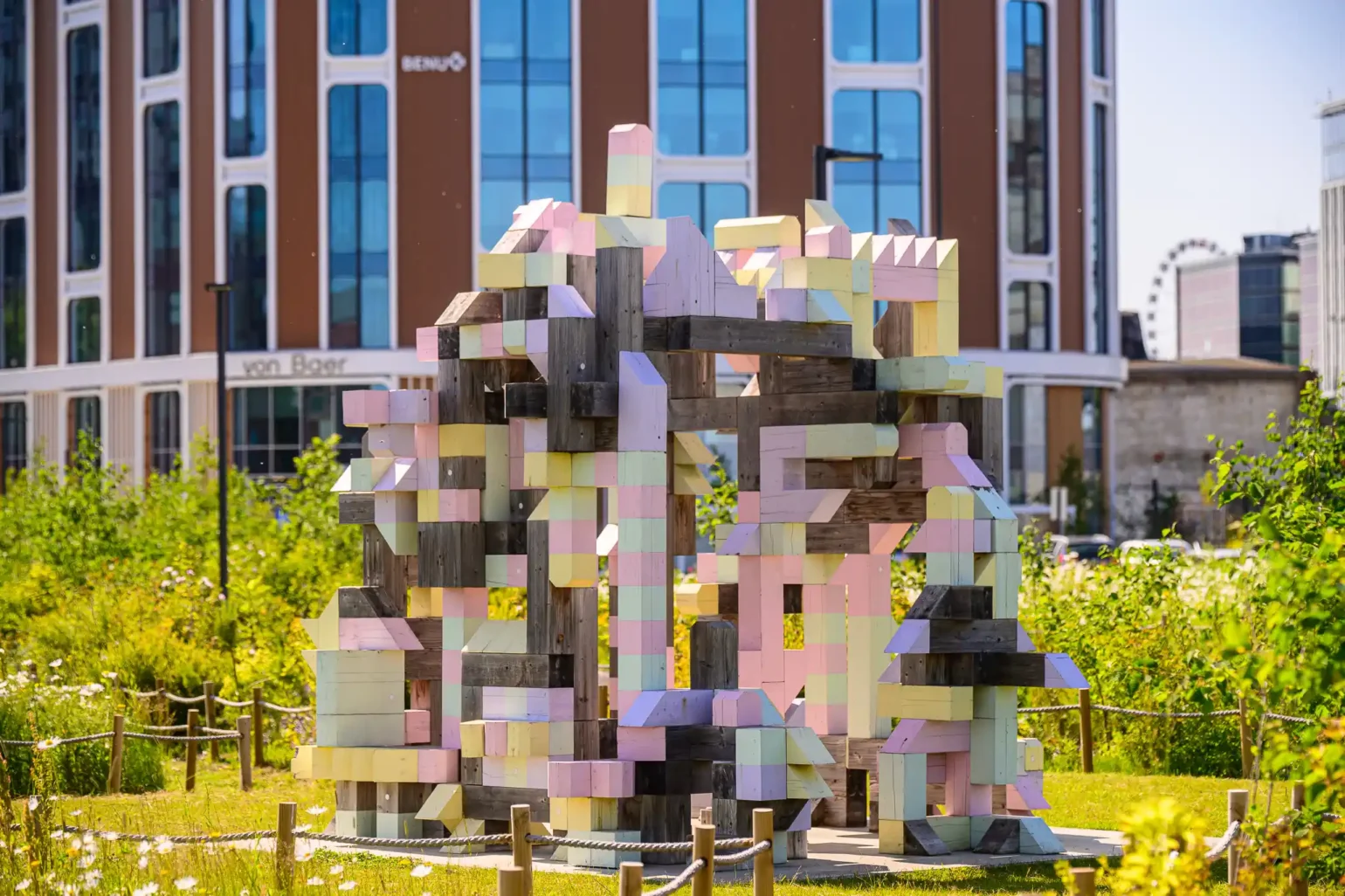
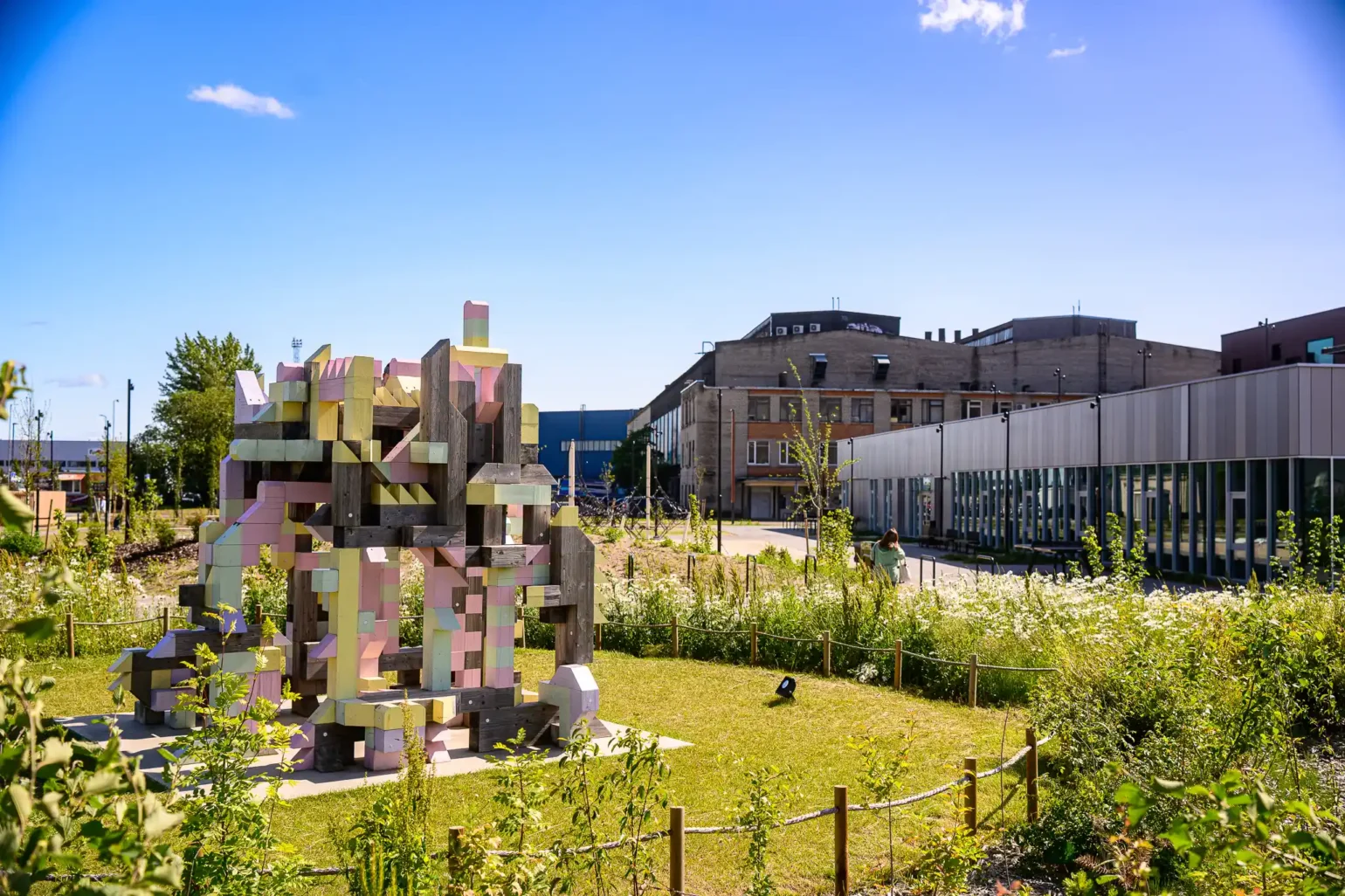
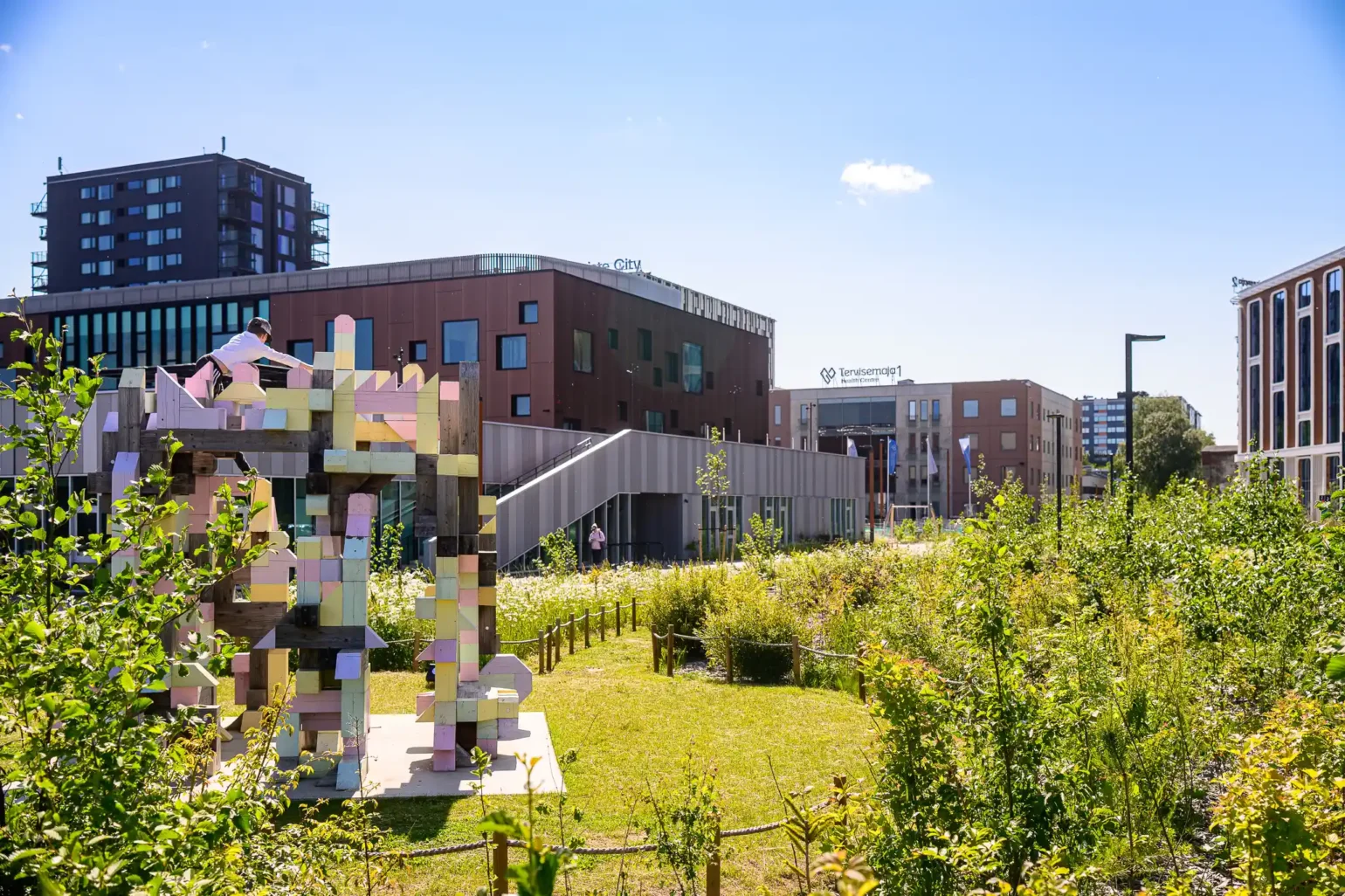
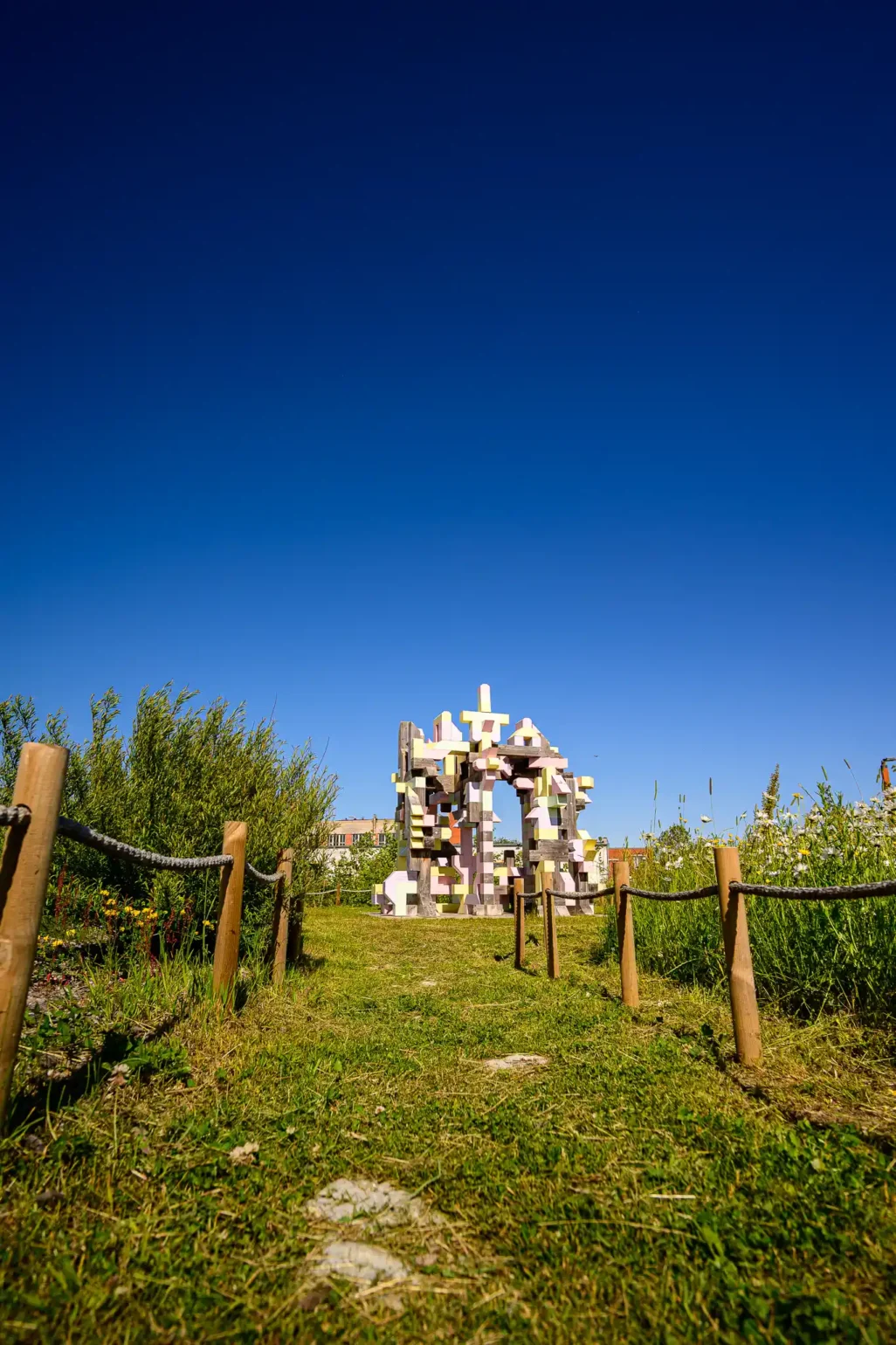
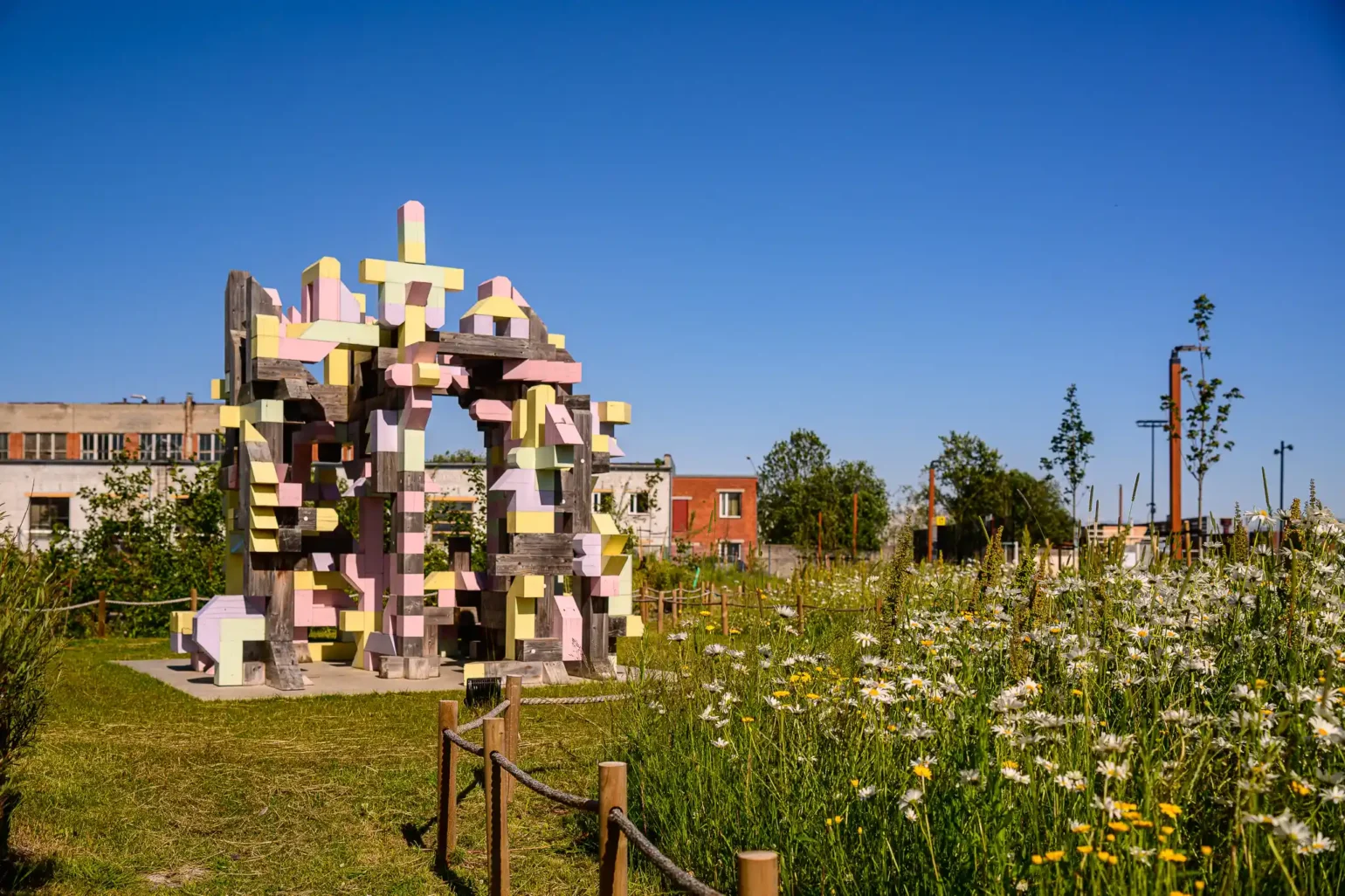
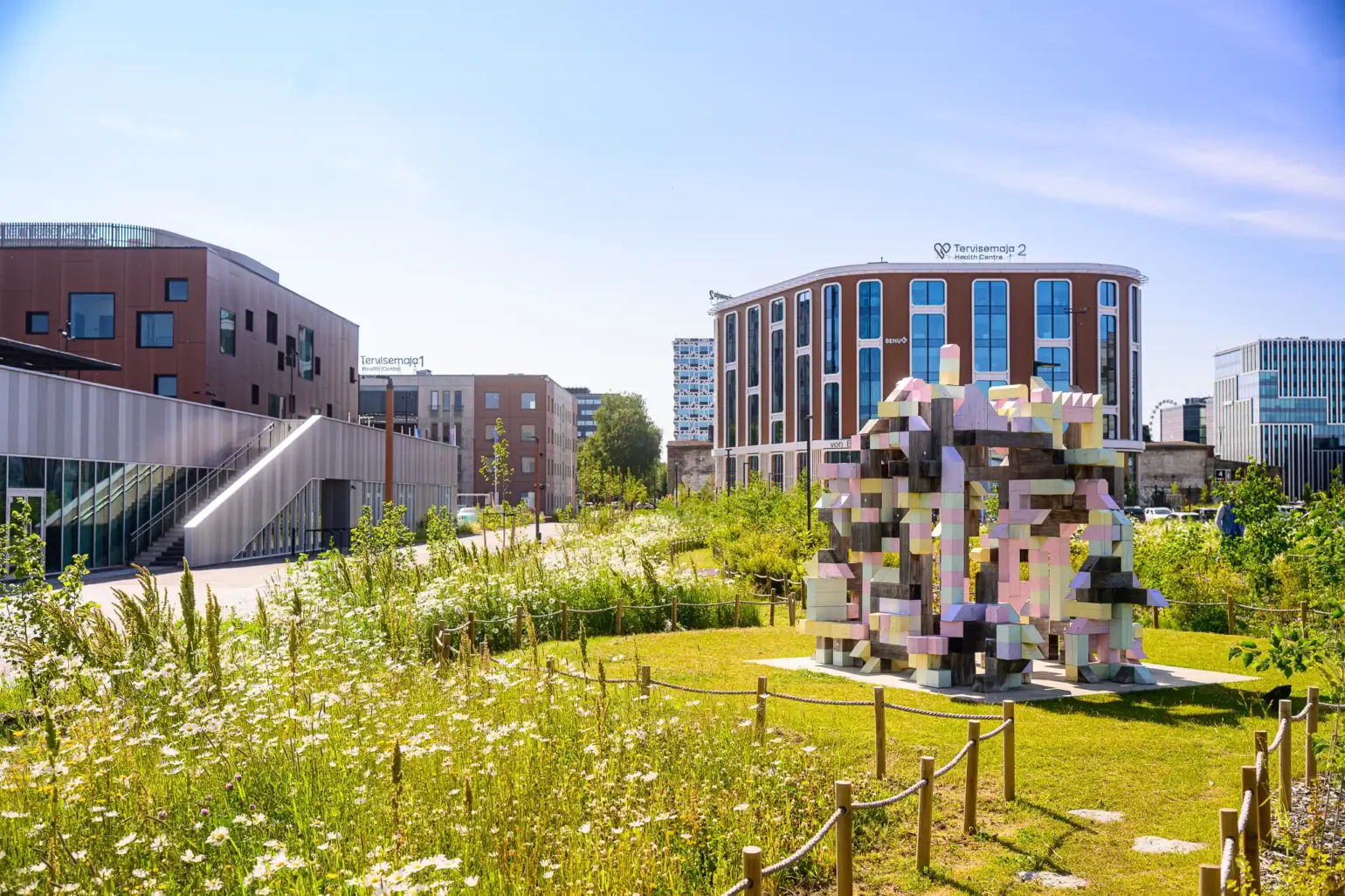
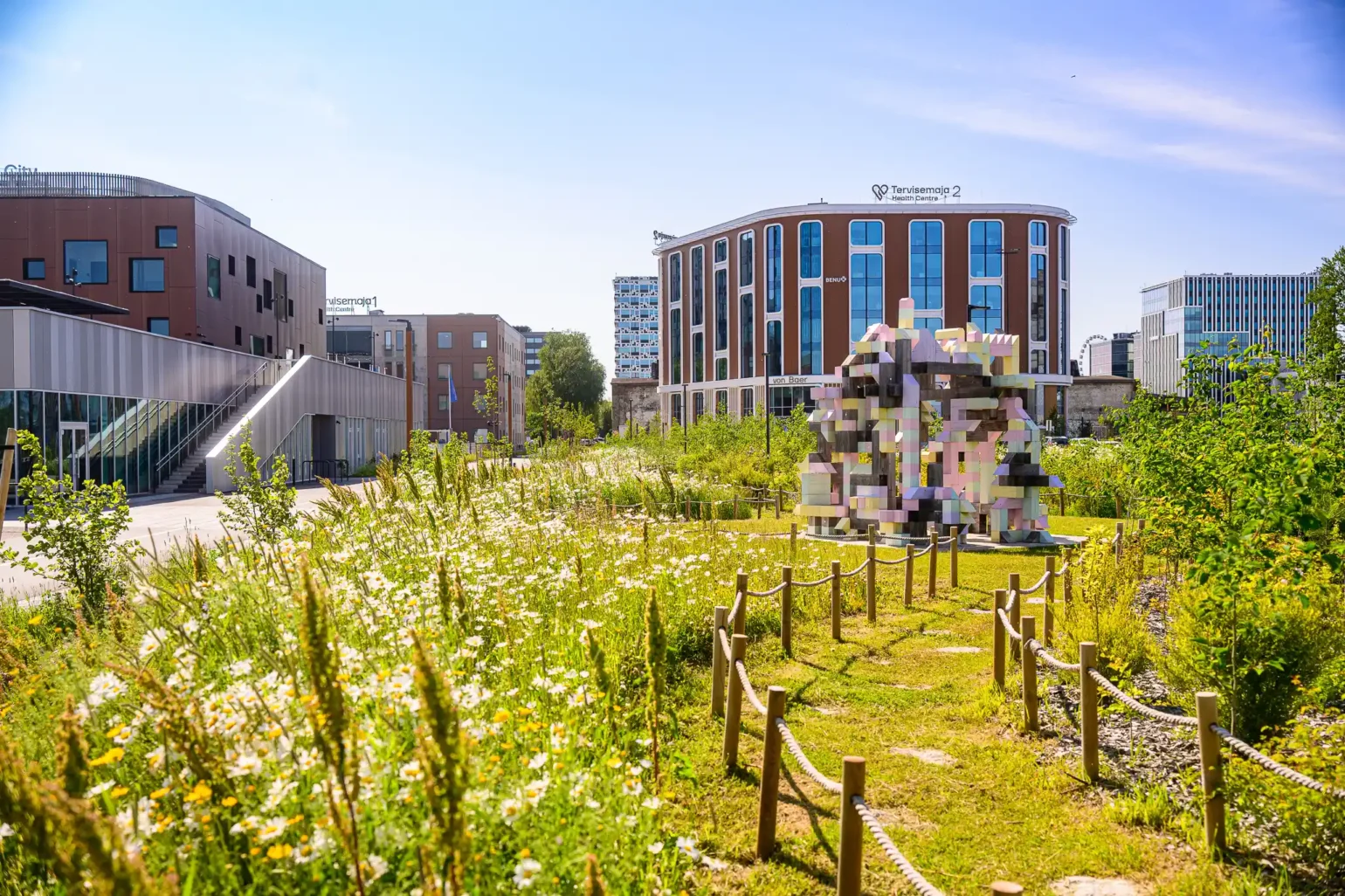
„Fungible Non-Fungible“ on eksperimentaalne paviljon, mille on loonud arhitektuuribüroo iheartblob. See ühendab digitaalse ja füüsilise maailma ning seab küsimuse alla traditsioonilised arusaamad väärtusest, autorsusest ja arhitektuuri loomisest. Tegemist on 2022. aasta Tallinna arhitektuuribiennaali installatsioonikonkursi võidutööga ning seda on nimetatud ka maailma esimeseks plokiahela kaudu rahastatud arhitektuuriprojektiks.
Teose keskmes on idee, et arhitektuur ei pea sündima ühe autori visioonist, vaid võib olla kollektiivne ja pidevalt arenev protsess. Nagu autorid selgitavad, ei ole arhitekt siin enam „meisterehitaja“, vaid süsteemi looja, kes ühendab tehnoloogia ja kogukonna. Paviljon loodi digitaalse platvormi kaudu, kus inimesed üle kogu maailma said kujundada selle üksikosi ja „mündida“ need NFT-dena – iga digitaalne element rahastas omakorda oma füüsilise vaste ehitamist.
Selline lähenemine muudab paviljoni olemuselt hübriidseks: see eksisteerib samaaegselt nii digitaalses kui ka füüsilises ruumis. Iga osa on unikaalne, kuid samal ajal osa suuremast süsteemist – täpselt nii, nagu pealkiri viitab vastandlikele, ent omavahel seotud mõistetele „fungible“ (asendatav) ja „non-fungible“ (mitteasendatav). Teos areneb aja jooksul, sidudes „aeglaselt“ muutuvat füüsilist struktuuri ja reaalajas uuenevat digitaalkihti.
Visuaalselt väljendub see ideoloogia paviljoni orgaanilises ja modulaarse kujuga vormis, kus iga element on erinev, kuid toimib tervikuna. Materjalivalik – puit – ühendab digitaalse kontseptsiooni kohaliku käsitöö ja keskkonnateadlikkusega, tuues globaalse osaluse füüsilisse Tallinna konteksti.
„See on samm selle suunas, et inimestel oleks võimalik saada oma ehitatud keskkonna kaasomanikeks,“ kirjeldavad autorid projekti ambitsiooni. Sellega näitab „Fungible Non-Fungible“ uut viisi mõelda arhitektuurist, omandist ja koostööst digiajastul.